


Heritage Texture With Modern Flair (Post 5/5, Refined Series)
- Jason Wright
- Dec 15, 2025
- 5 min read

Transform your basement suite or home office by blending time-honored textures with contemporary finishes. Heritage texture with modern flair creates spaces that honor architectural history while meeting today's functional demands. Experience the perfect balance between character and comfort in your next renovation project.
Discover the Modern Heritage Approach
Start adding depth to your basement renovation by embracing heritage textures that tell a story. Modern heritage design celebrates craftsmanship and personality through layered, character-rich spaces that feel both timeless and personally meaningful. Unlike sterile minimalist approaches, this style pairs classic forms with contemporary comfort, keeping the architectural soul intact while adding expressive elements.
Focus on creating collected-over-time aesthetics rather than perfectly curated spaces. Your basement suite or home office becomes a canvas where vintage elements coexist naturally with modern functionality, creating environments that feel authentically lived-in.
Essential Elements for Basement Heritage Transformations
Master Natural Material Layering
Begin incorporating heritage texture through natural materials that bring warmth to below-grade spaces. Layer linen, wool, jute, and reclaimed wood to create organic, authentically worn surfaces. Mix tactile materials strategically: pair raw steel ceiling beams with terracotta accent walls, or combine grasscloth wallcovering with travertine flooring.
Handwoven rugs, exposed stone foundation walls, and patinated brass fixtures add instant character to basement suites. These elements make spaces feel collected over decades rather than purchased as matching sets.
Embrace Warm Heritage Color Palettes
Ground your basement transformation in warm, timeless neutrals like soft taupes, creamy whites, and muted browns. These colors reflect natural light beautifully in lower-level spaces while creating the perfect foundation for heritage design.
Add depth through richer accent tones: navy blue built-ins, forest green wainscoting, or oxblood leather furniture pieces. This restrained yet layered color approach ensures your basement suite never feels trendy but remains enduringly comfortable and sophisticated.
Transform Home Offices with Heritage Character
Create Functional Heritage Workspaces
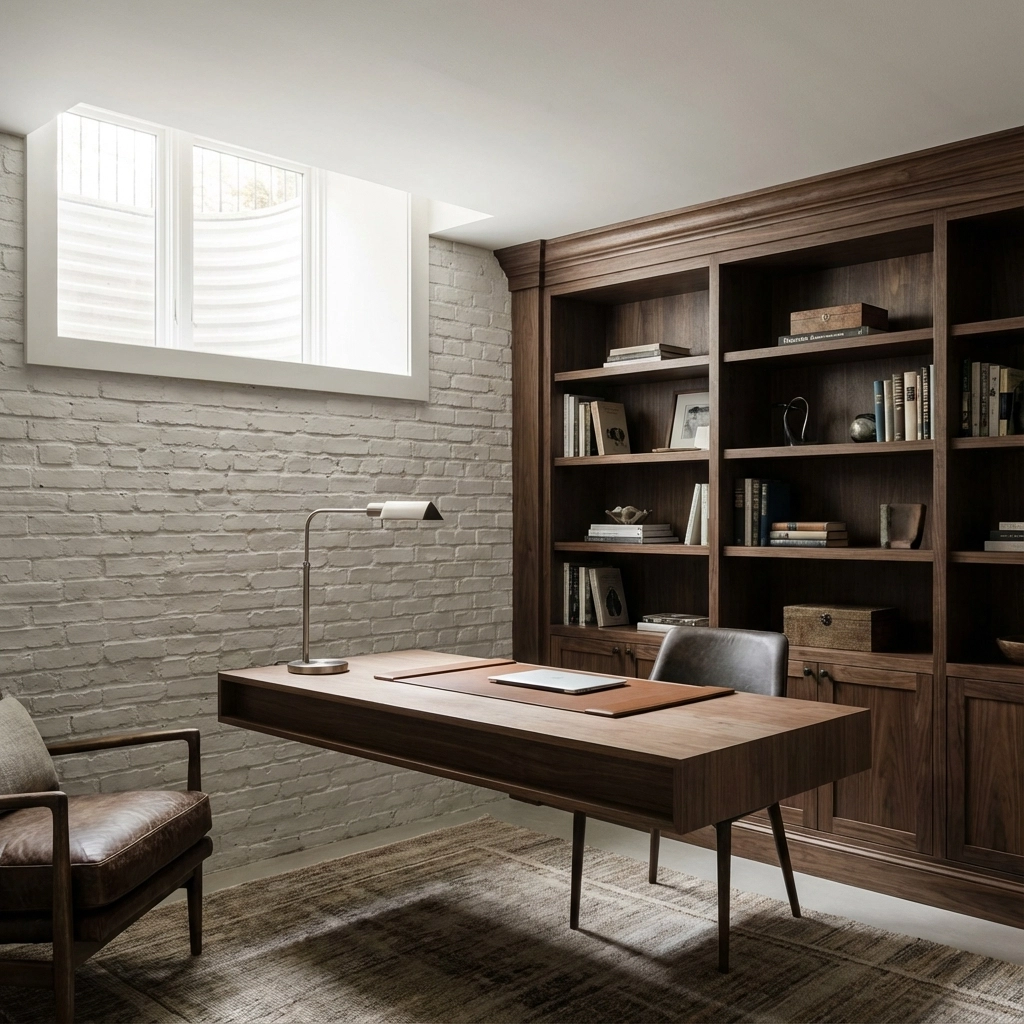
Design your basement home office around heritage elements that inspire productivity. Install traditional wainscoting or board-and-batten paneling at desk height to add architectural interest while protecting walls from chair damage. Choose deep, rich paint colors like heritage navy or forest green for accent walls behind your workspace.
Incorporate vintage-inspired built-in shelving with traditional crown molding and trim details. These elements provide necessary storage while maintaining the heritage aesthetic that makes working from home feel intentional and refined.
Balance Technology with Timeless Design
Seamlessly integrate modern technology within heritage-inspired surroundings. Install traditional picture rail molding to hide cable management systems, or create custom millwork that conceals modern equipment while maintaining period-appropriate proportions.
Choose furniture pieces that bridge old and new: a streamlined desk paired with an antique wooden chair, or contemporary task lighting mounted on traditional brass swing arms. This thoughtful balance prevents your home office from feeling like a museum while honoring historical design principles.
Master Heritage Wall Finishing Techniques
Perfect Traditional Plaster Applications
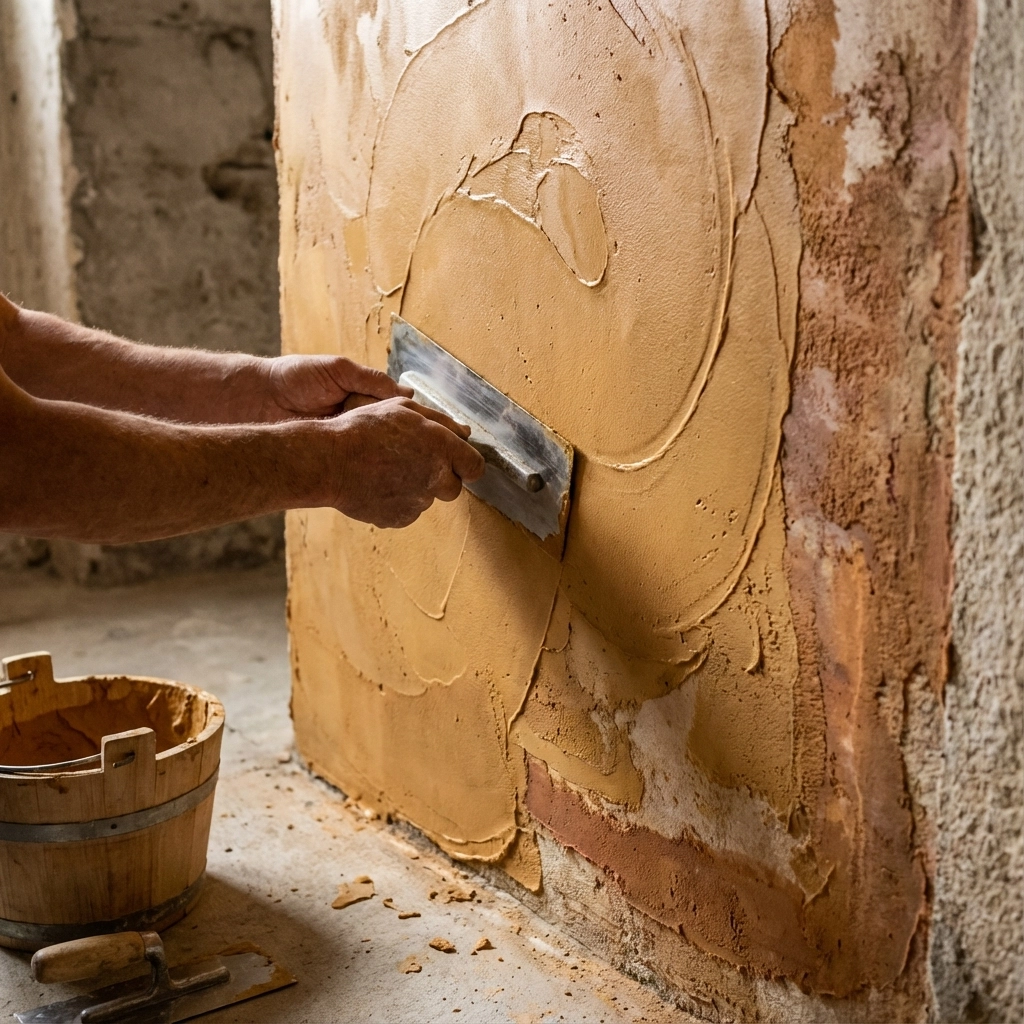
Achieve authentic heritage texture through specialized plaster finishing techniques. Apply Venetian plaster in warm, earthy tones to create depth and visual interest on basement walls. This technique works especially well in home offices where textural variety prevents spaces from feeling sterile.
Consider lime wash applications over smooth drywall for subtle, organic color variations that mirror aged plaster walls. These finishes add character while providing the durability needed in basement environments.
Implement Custom Millwork Solutions
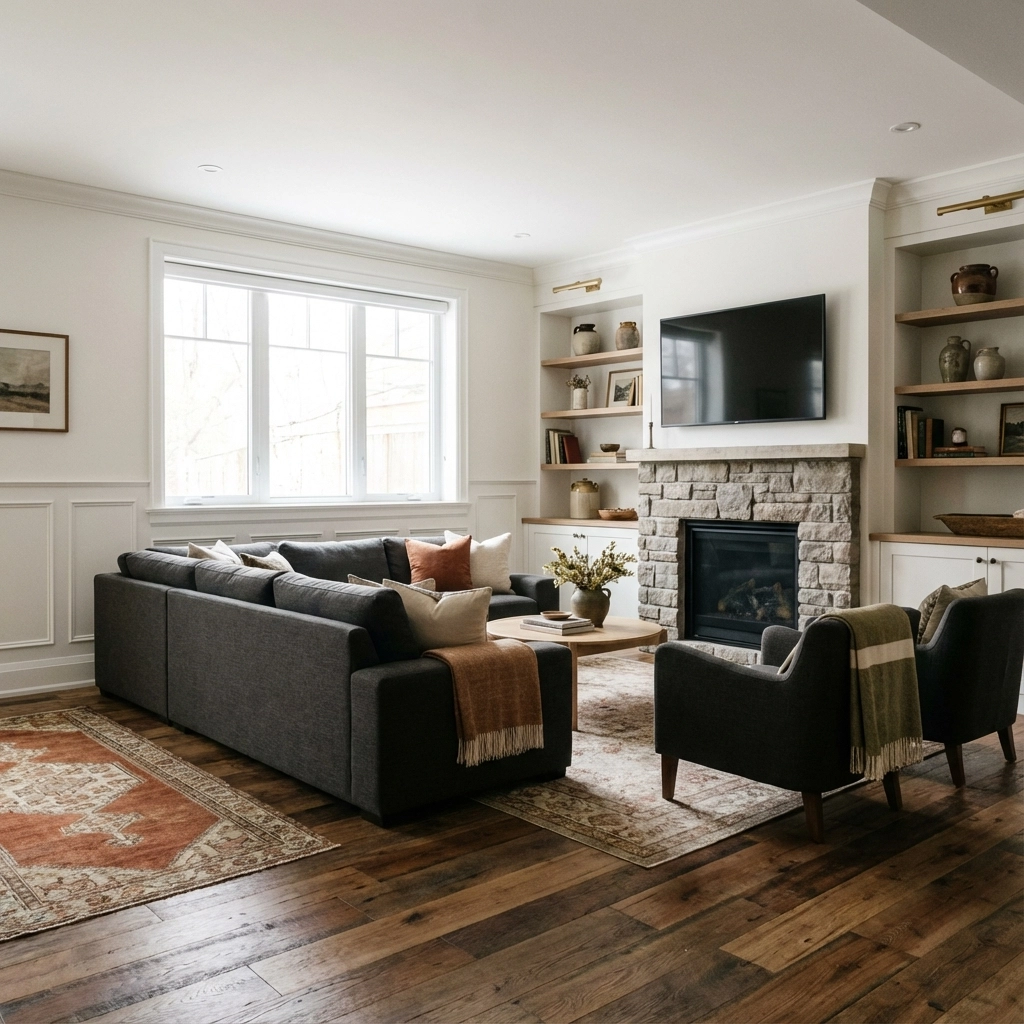
Install custom wainscoting, chair rails, and crown molding to instantly add heritage character to any basement space. Choose proportions that reflect your home's architectural period while maintaining appropriate scale for lower ceiling heights common in basement renovations.
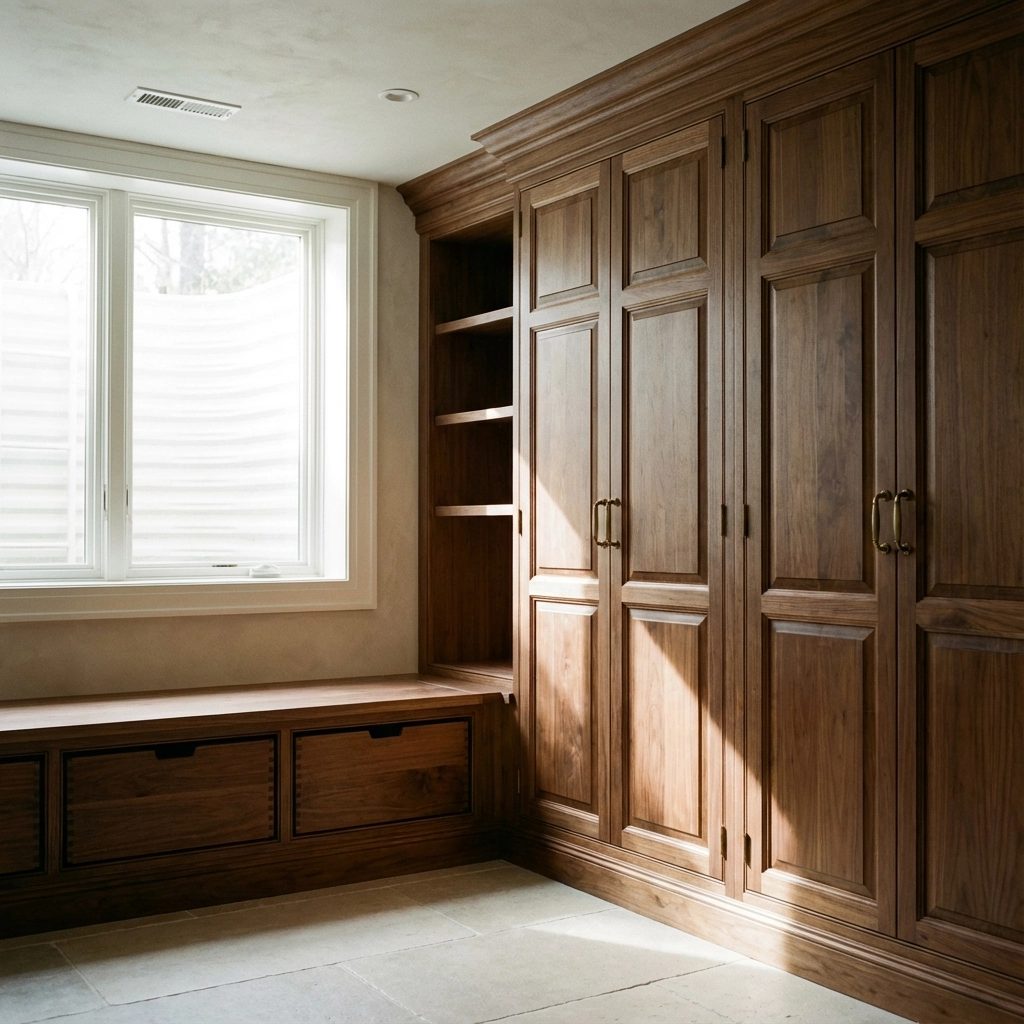
Create built-in storage solutions that incorporate traditional joinery techniques and hardware. Panel doors, traditional hinges, and period-appropriate pulls maintain heritage authenticity while providing modern functionality.
Recommended Materials for Heritage-Modern Fusion
Choose Authentic Texture Elements
Select materials that age beautifully and develop character over time. Reclaimed wood flooring, natural stone accent walls, and traditional brick provide authentic heritage texture that improves with use. These materials work particularly well in basement environments where moisture resistance and durability are essential.
Incorporate handcrafted elements like artisan tiles, hand-forged hardware, and custom millwork to create the imperfect, lived-in quality that defines authentic heritage design. These details distinguish your space from mass-produced alternatives.
Balance Modern Comfort Features
Maintain modern comfort through strategic material choices that honor heritage aesthetics. Install radiant floor heating beneath natural stone or reclaimed wood floors. Choose traditional-style fixtures with LED technology for energy efficiency without sacrificing period authenticity.
Add contemporary insulation and moisture barriers behind heritage-inspired wall treatments to ensure your basement suite meets modern performance standards while maintaining historical charm.
Before and After: Heritage Transformation Success Stories
Case Study: Victorian Basement Suite Revival
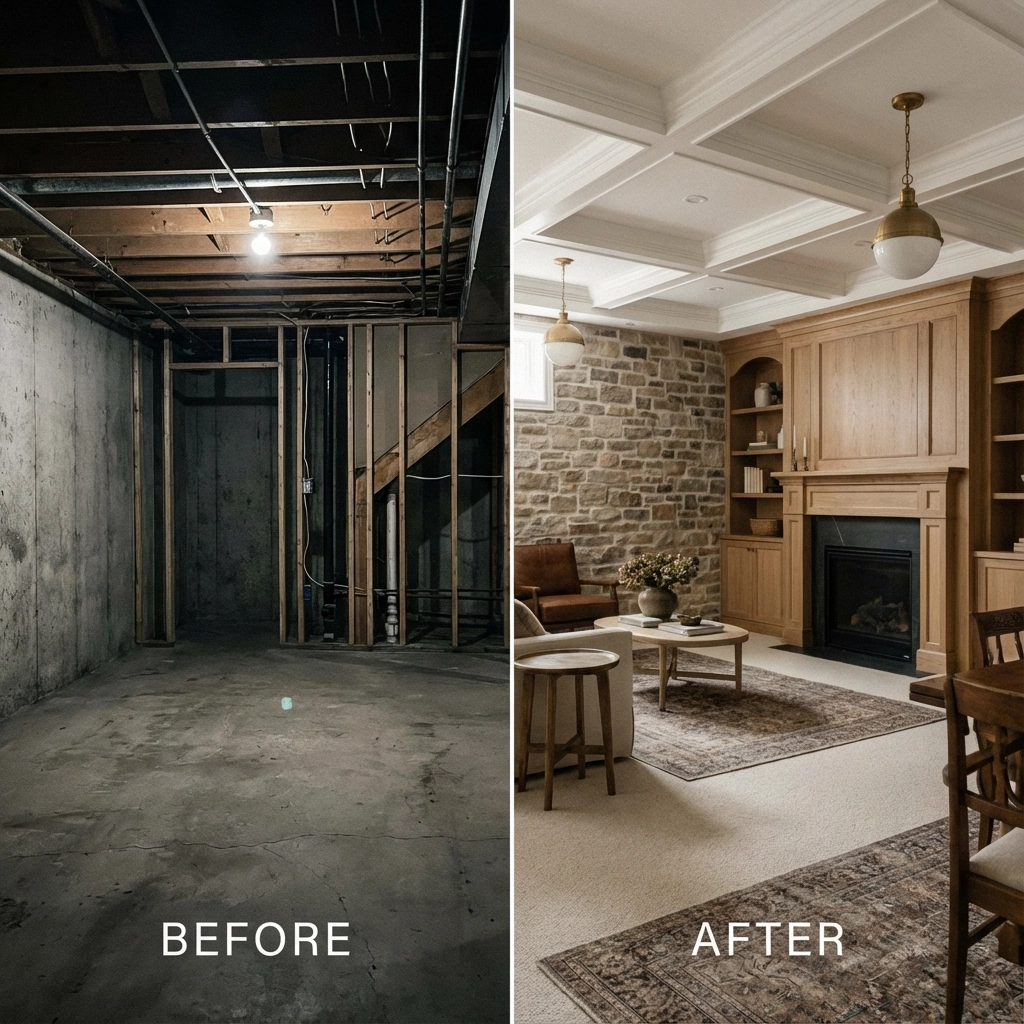
Transform a standard basement into a sophisticated heritage suite by preserving original stone foundation walls while adding custom millwork and period-appropriate fixtures. Install traditional beadboard wainscoting throughout living areas, creating visual continuity with the home's Victorian architecture.
Add warmth through layered textiles: wool area rugs over sealed concrete floors, linen window treatments, and vintage-inspired upholstery. The result: a basement suite that feels like an extension of the home's historical character rather than an afterthought addition.
Case Study: Heritage Home Office Conversion
Convert an unfinished basement into a productive home office by installing traditional built-in bookcases with fluted details and crown molding. Choose warm wood tones that complement the home's original millwork while providing necessary storage and workspace organization.
Incorporate modern amenities discretely: hidden cable management within traditional trim work, contemporary task lighting with vintage-inspired design, and efficient HVAC systems concealed behind period-appropriate vent covers. Experience a workspace that inspires creativity while honoring architectural heritage.
Implementation Strategy for Your Heritage Project
Plan Your Heritage Elements First
Begin your basement renovation by identifying existing architectural features worth preserving: original stone walls, exposed beams, or traditional staircase details. These elements become the foundation for your heritage-modern design narrative.
Design new additions to complement rather than compete with original features. Choose proportions, materials, and finishes that feel authentic to your home's architectural period while meeting contemporary functional requirements.
Layer Deliberately for Authentic Results
Create authentic heritage character through thoughtful layering rather than matching sets. Pair contrasting elements strategically: an antique mirror with modern sconce lighting, or streamlined furniture with vintage textile accents.
Incorporate personal heritage pieces that tell your family's story. Inherited furniture, vintage textiles, or family photographs become meaningful focal points that distinguish your space from generic heritage reproductions.
Maintain Functional Balance
Ensure your heritage-inspired basement maintains modern functionality through strategic planning. Design adequate storage within traditional-style built-ins, plan appropriate lighting for various activities, and ensure comfortable climate control throughout the space.
Choose finishes and materials that provide the durability needed in basement environments while maintaining heritage authenticity. Sealed natural materials, moisture-resistant traditional finishes, and high-quality millwork ensure your heritage investment ages beautifully.
Ready to transform your basement with heritage texture and modern functionality? Contact our consultation team to discuss custom millwork, traditional finishing techniques, and heritage-inspired design solutions for your next renovation project. Experience the perfect balance between honoring the past and designing for contemporary living.
Comments