


Is Mold-Resistant Drywall Worth It in Vancouver's Climate? Here's the Truth

Transform your basement suite or home office renovation with the right drywall choice. Vancouver's notorious dampness demands smart material decisions that protect your investment and create healthier living spaces. Discover whether mold-resistant drywall justifies its premium price in our coastal climate.
Understanding Vancouver's Moisture Challenge
Experience the reality of West Coast living: consistent rainfall, ocean humidity, and temperature fluctuations that create perfect conditions for mold growth. Traditional drywall's paper facing acts like a sponge in these conditions, absorbing moisture and providing an ideal breeding ground for mold spores.
Consider your basement suite renovation or home office project. Standard drywall in Vancouver's climate becomes a liability rather than an asset, especially in below-grade spaces where moisture naturally accumulates. The paper backing readily absorbs humidity, while the gypsum core offers minimal resistance to prolonged moisture exposure.
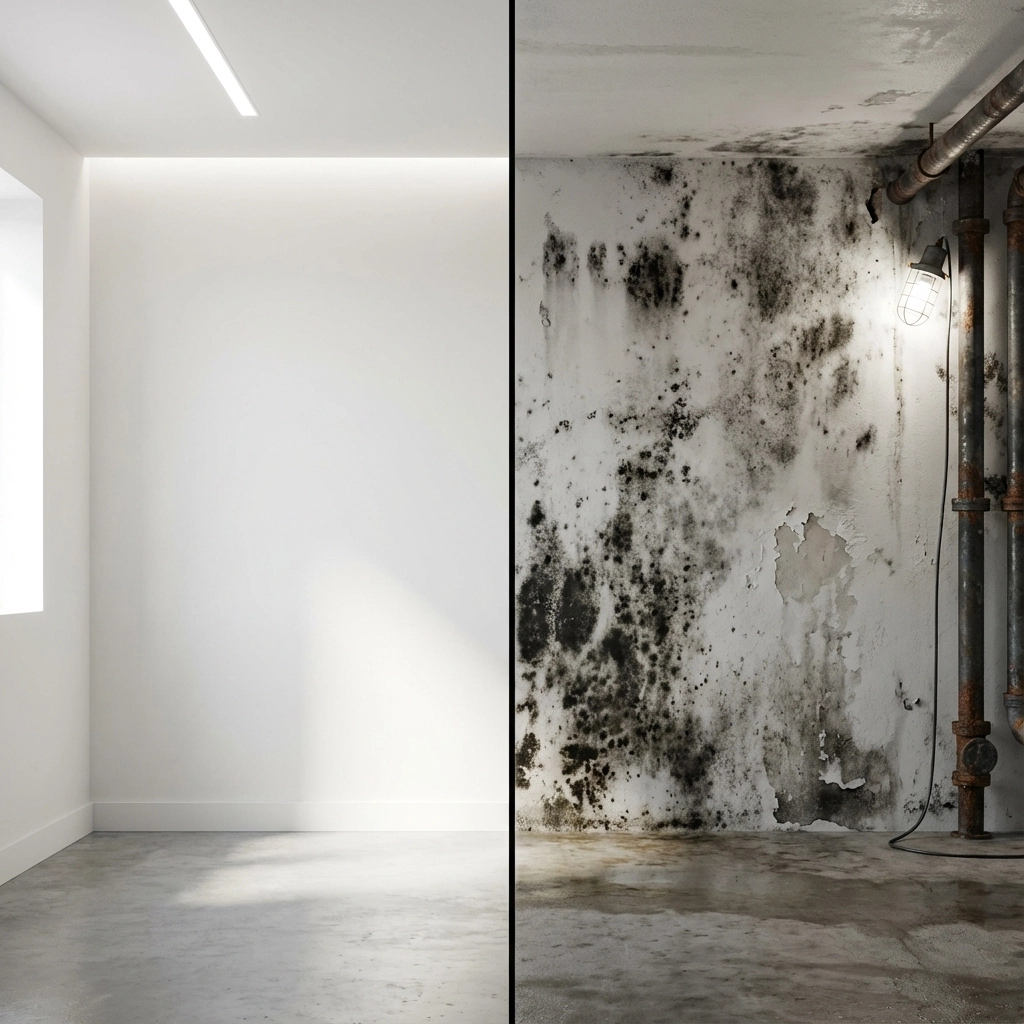
Discover Mold-Resistant Drywall Technology
Experience advanced materials designed specifically for challenging environments. Mold-resistant drywall features water-resistant cores and specially treated facings that actively resist moisture absorption. Leading manufacturers like Georgia-Pacific's DensArmor Plus, CertainTeed's M2Tech, and USG's Sheetrock Brand Mold Tough engineer their products with synthetic facings instead of traditional paper.
Examine the core difference: while standard drywall uses organic paper that feeds mold growth, mold-resistant versions employ inorganic facings treated with antimicrobial agents. The gypsum core itself receives moisture-resistant additives that maintain structural integrity even when exposed to humidity.
This technology proves particularly valuable in basement suite conversions where moisture control challenges traditional materials. Create rental spaces that maintain their value and provide healthy environments for tenants.
Calculate the True Cost Investment
Start with reality: mold-resistant drywall costs 10-15% more than standard options upfront. However, experience the long-term financial benefits that far outweigh initial expenses. Traditional drywall replacement due to mold damage typically costs $2,000-$5,000 for an average basement suite, not including lost rental income during repairs.
Consider these real-world scenarios in Vancouver properties:
Standard drywall mold remediation: $3,000-$8,000
Lost rental income during repairs: $1,500-$3,000 per month
Health-related issues and liability concerns: Potentially thousands more
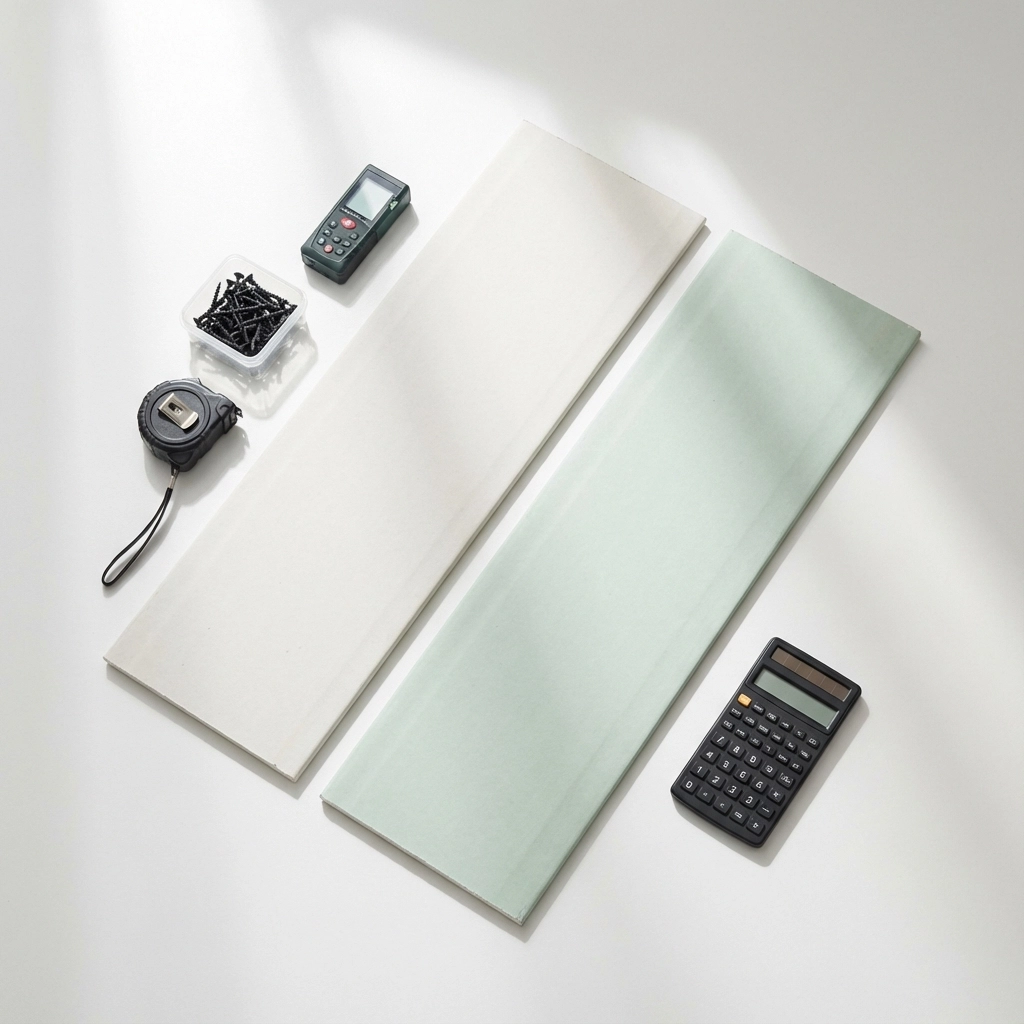
Contrast this with mold-resistant drywall's prevention approach. Invest an additional $200-$400 on materials for a typical basement suite renovation and eliminate the risk of costly future repairs. Calculate the math: paying slightly more now prevents paying exponentially more later.
Experience Health and Indoor Air Quality Benefits
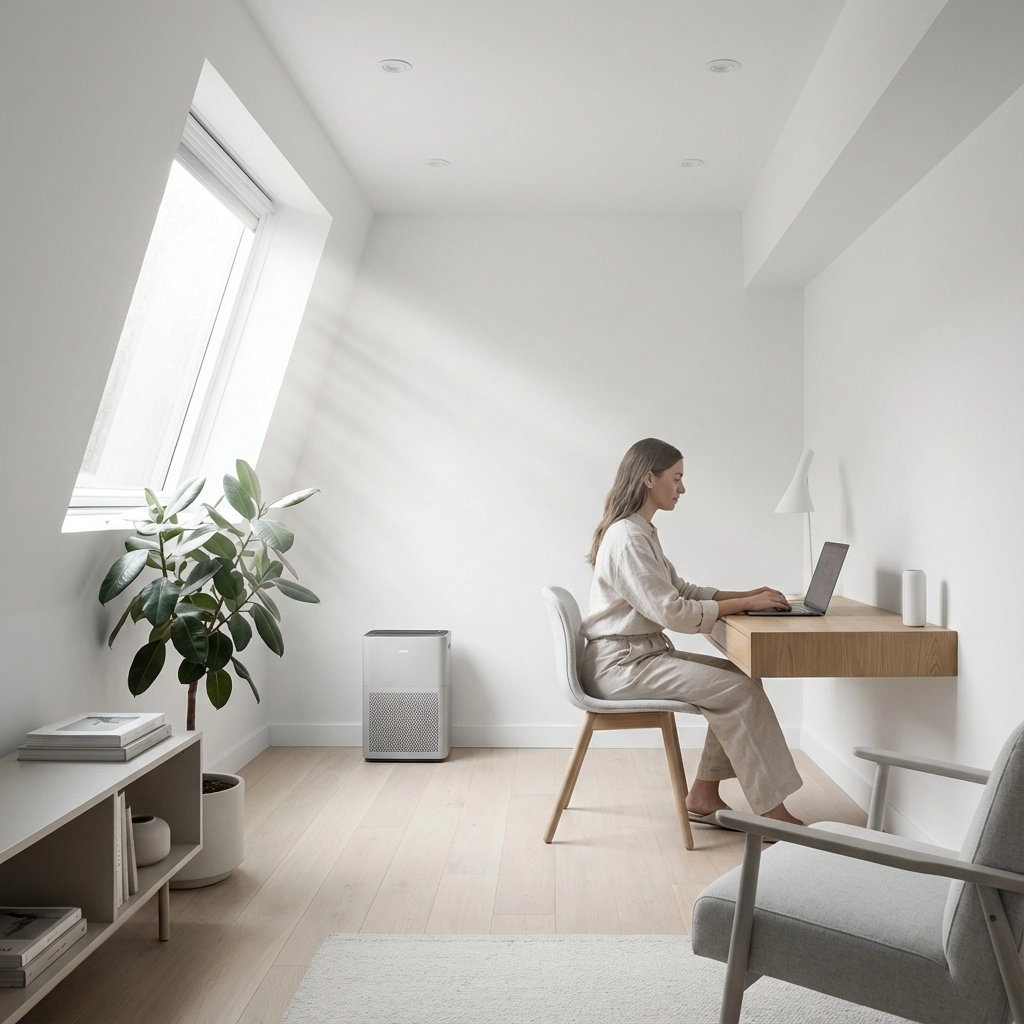
Breathe easier knowing your renovation choices actively protect occupant health. Mold spores trigger allergies, respiratory issues, and other health concerns that particularly affect vulnerable populations. Create basement suites and home offices that support wellness rather than compromise it.
Mold-resistant drywall prevents spore development at the source, maintaining cleaner indoor air quality throughout Vancouver's damp seasons. Experience peace of mind knowing your renovation investment protects both property value and occupant health.
For rental suite operators, this translates to fewer tenant health complaints and reduced liability exposure. Establish your property as a premium option that prioritizes resident well-being.
Maximize Durability and Reduce Maintenance
Eliminate the cycle of moisture damage and repair that plagues traditional drywall installations. Mold-resistant materials maintain their structural integrity and appearance far longer in Vancouver's challenging climate conditions.
Experience reduced maintenance requirements:
Fewer paint touch-ups due to moisture staining
Eliminated mold cleaning and treatment cycles
Extended lifespan of finish materials
Reduced HVAC strain from moisture management
This durability proves especially valuable in basement suites where access for repairs often disrupts tenant occupancy. Install materials that perform reliably for years without intervention.
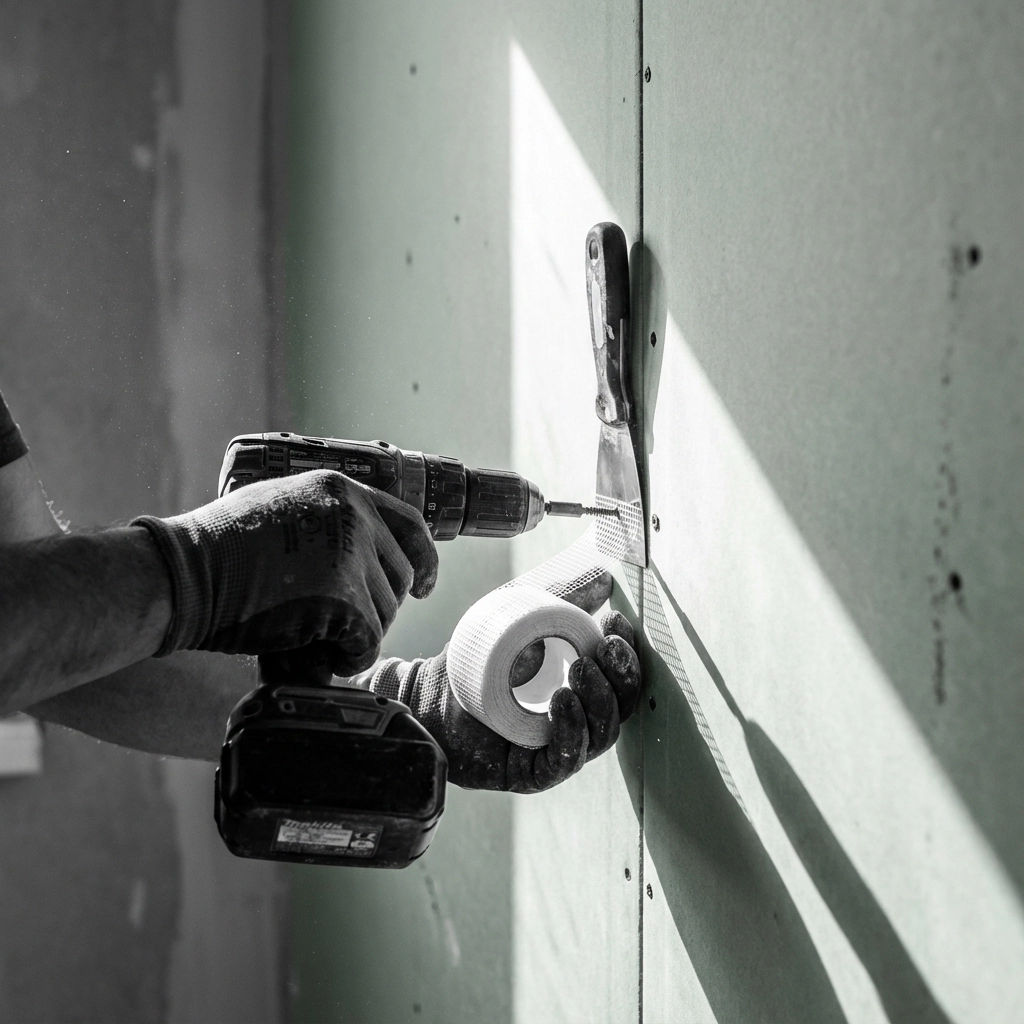
Master Proper Installation Techniques
Achieve maximum performance through correct installation practices. Use corrosion-resistant screws designed for moisture-prone environments and apply fiberglass mesh tape at all joints for superior moisture resistance compared to paper tape.
Follow these critical installation steps:
Address underlying moisture sources before drywall installation
Install proper vapor barriers where building codes require
Ensure adequate ventilation systems function correctly
Seal all electrical and plumbing penetrations completely
Apply appropriate primer and paint systems designed for moisture resistance
For basement suite renovations, pay special attention to foundation wall interfaces where moisture migration commonly occurs. Create comprehensive moisture management systems that work with your mold-resistant drywall choice.
Identify Priority Installation Areas
Focus your mold-resistant drywall investment where it delivers maximum value. Prioritize these high-moisture areas in your renovation project:
Basement Suites:
All exterior foundation walls
Bathroom and kitchen areas
Laundry spaces
Storage rooms with limited ventilation
Home Offices:
Basement office conversions
Rooms with limited natural ventilation
Spaces near bathrooms or kitchens
Areas with exterior wall exposure
Consider standard drywall for low-risk areas like upper-level bedrooms or living spaces with excellent ventilation and minimal moisture exposure. This strategic approach optimizes your budget while protecting vulnerable areas.
Navigate Brand Selection and Specifications
Choose proven performers in Vancouver's market. Georgia-Pacific's DensArmor Plus offers excellent moisture resistance with easy workability. CertainTeed's M2Tech provides superior mold resistance with standard installation techniques. USG's Mold Tough delivers reliable performance at competitive pricing.
Examine product specifications for your specific application:
Fire ratings: Ensure compliance with local building codes
Thickness options: Match existing wall assemblies
Edge types: Choose appropriate edges for your finishing technique
Core composition: Verify moisture-resistant additives
Consult with your drywall supplier about climate-specific recommendations for Vancouver installations. Local distributors understand regional challenges and can guide product selection for optimal performance.
Make Your Decision: Investment Analysis
Calculate whether mold-resistant drywall makes financial sense for your project. Consider these factors:
Choose mold-resistant when:
Renovating basement suites for rental income
Converting basement spaces to home offices
Working in historically damp areas of your property
Planning long-term property retention
Standard drywall suffices when:
Renovating well-ventilated upper floors
Working with limited budgets on low-risk areas
Installing in recently constructed, properly sealed buildings
The verdict for Vancouver: Mold-resistant drywall proves worthwhile for most below-grade renovations and moisture-prone areas. The investment protects property value, ensures occupant health, and eliminates costly future repairs that commonly plague traditional materials in our coastal climate.
Transform your renovation approach by choosing materials that work with Vancouver's environment rather than against it. Experience the confidence that comes from making informed decisions that protect your investment and create healthier living spaces.
Start your next basement suite or home office renovation with materials designed to succeed in our unique climate. Contact Perpendicular Wall and Ceiling to discuss mold-resistant drywall options for your specific project requirements.
Comments