


Part 3: The Collaborative Finish: Blending Tool Mastery with Client

Where Precision Meets Vision
Welcome back to the Hawk and Trowel series. If you've been following along, you know we've covered the fundamentals, the tools, the techniques, the structural backbone that makes everything else possible. Now we arrive at the moment that separates good work from unforgettable work.
This is the collaborative finish.
Picture a basement suite transformation or a home office installation nearing completion. The framing is tight. The drywall is hung with surgical precision. The tape work is flawless. But here's the thing, structural perfection is just the foundation. The magic happens when all that technical mastery bends toward a single purpose: bringing the client's vision to life.
This part of the process isn't about showing off skill. It's about listening, adapting, and wielding tools as instruments of creation rather than just construction.
The Hand-Off: From Structure to Soul
Think of every project as having two distinct phases. The first phase belongs to code, to physics, to the non-negotiable demands of building science. Level walls. Plumb corners. Proper air sealing. This is the realm of precision, and there's no room for compromise.
The second phase? That's where collaboration takes center stage.
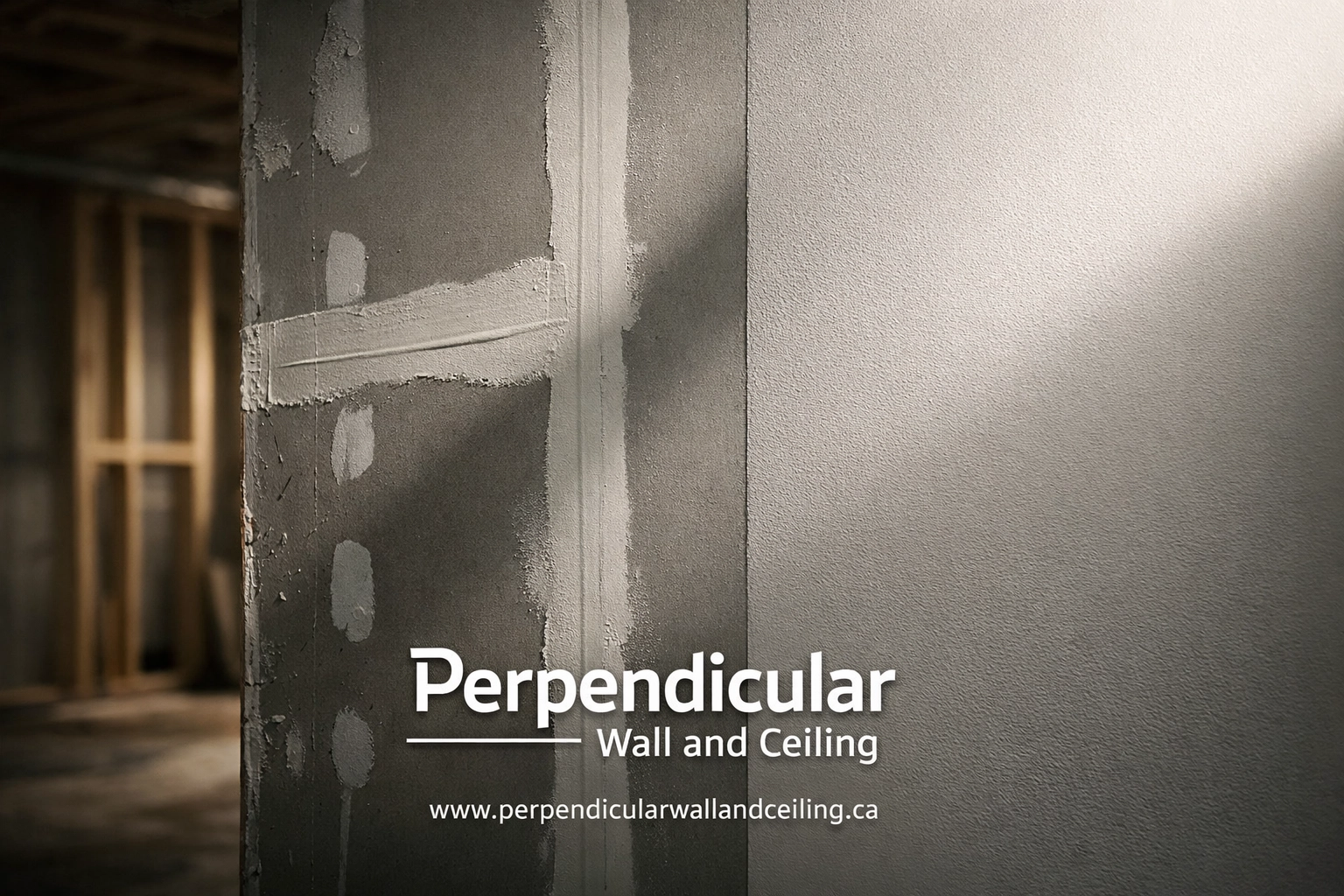
Once structural integrity is locked in, the conversation shifts. Suddenly, questions move from "What does the building need?" to "What does the space want to feel like?" This is the hand-off from technical execution to aesthetic personalization.
For basement suite renovations, this moment often arrives when clients realize they're not just adding square footage, they're creating a living environment. A rental unit that feels like a home. A guest suite that whispers comfort. A home office that inspires focus and creativity.
The tools change. The mindset evolves. And the relationship between craftsman and client deepens.
Tools as Extensions of Dreams
Here's where things get interesting. The finishing tools, burnishers, fine-edge trowels, specialty floats, and custom texture applicators, aren't just metal and wood. In the collaborative finish phase, they become something more.
Consider them wands. Instruments of creation.
A burnisher doesn't just smooth a surface. It translates a client's desire for a particular light reflection into reality. A fine-edge trowel doesn't merely apply compound, it sculpts the subtle texture that transforms a basement wall from "functional" to "elevated."
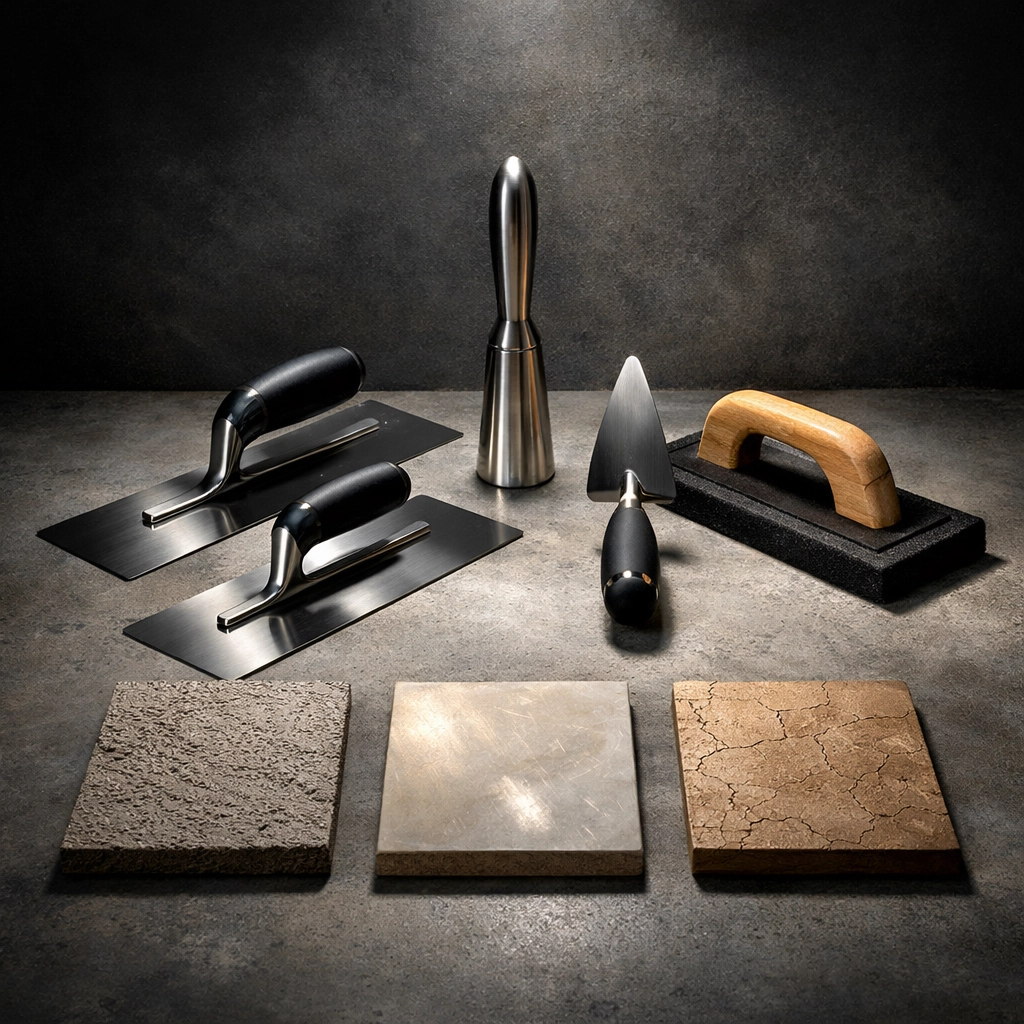
This is the moment when tool mastery stops being about personal skill and starts being about interpretation. The client says, "I want it to feel warm but modern." The craftsman translates that into a specific trowel angle, a particular finishing technique, a texture sample that captures exactly what words couldn't fully express.
Discover some of our textured wall finishes to see this philosophy in action.
The Conversation That Shapes the Finish
Collaboration isn't a single meeting. It's an ongoing dialogue that happens throughout the finishing process.
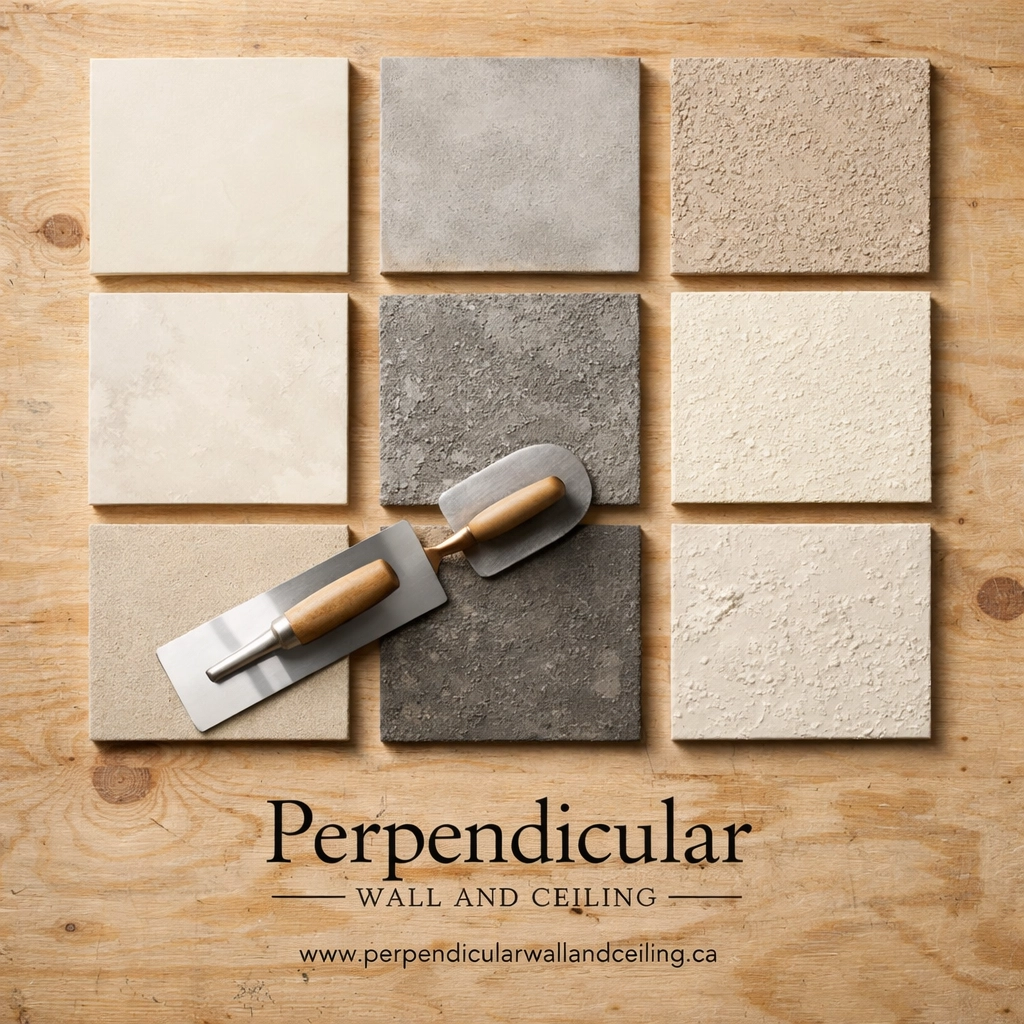
Start with texture samples. Before any finishing tool touches a wall in that basement suite or home office, create physical samples that clients can see and touch in actual lighting conditions. Morning light hits differently than evening light. Overhead fixtures create different shadows than natural window light.
Experience the difference this makes. When a client runs their hand across a sample and says, "Yes, that's exactly it," you've just bridged the gap between imagination and execution.
Ask better questions:
"How do you want to feel when you walk into this space?"
"What existing textures or finishes in your home do you love?"
"Is this space for energy or relaxation?"
These questions seem simple, but they unlock everything. A home office meant for creative work might call for subtle, organic textures that soften digital fatigue. A basement suite restoration designed for rental income might prioritize durable, contemporary finishes that photograph beautifully and clean easily.
Reading the Room (Literally)
Here's something that doesn't get talked about enough: the physical space itself participates in the collaboration.
Ceiling height affects texture choices. A lower basement ceiling benefits from finishes that reflect light upward, creating the illusion of openness. Natural light availability influences sheen decisions. The room's purpose determines durability requirements.
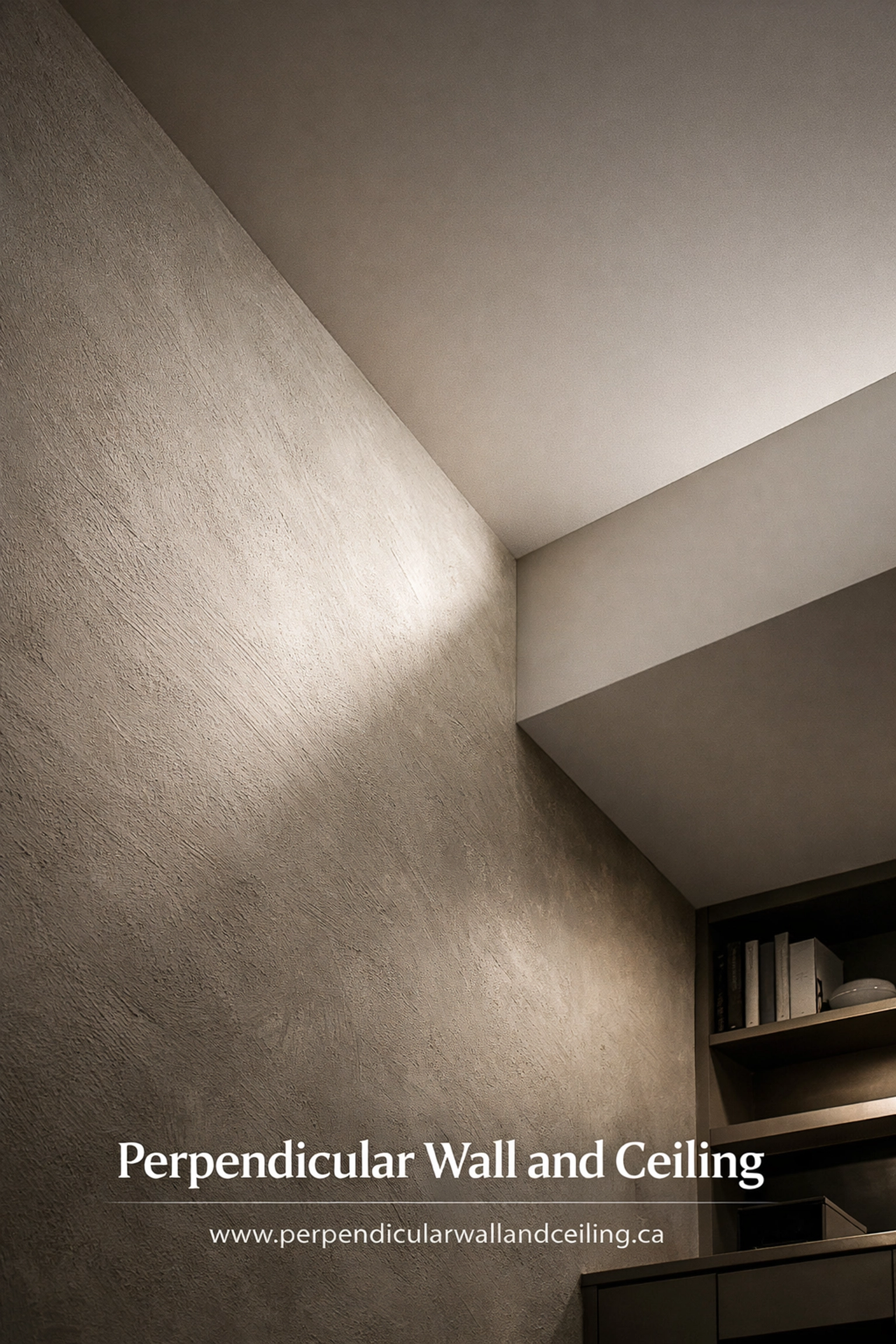
A skilled finisher reads these factors alongside the client's stated preferences, sometimes making subtle adjustments the client never consciously requested but immediately recognizes as right.
Check out our custom ceiling designs for examples of how ceiling finishes can transform spatial perception.
This is where years of tool mastery pay off, not in the ability to execute any technique, but in the wisdom to know which technique serves both the space and the client's vision simultaneously.
The Texture Sample Ritual
Create a ritual around texture samples. This isn't just about efficiency, it's about building client confidence and ensuring the collaborative finish truly reflects their vision.
Here's the process:
Prepare multiple samples on portable boards that match the actual substrate
Present in situ, bring samples into the actual space, not a showroom
View at different times of day to see how light affects the finish
Touch and photograph to capture both tactile and visual qualities
Discuss adjustments before any full-wall application begins
This ritual transforms the finishing phase from a surprise reveal into a collaborative journey. Clients feel ownership over the result because they've been part of creating it.
For basement suite renovations especially, where the space might serve as a secondary residence, this involvement helps clients feel connected to an area of their home they might otherwise view as purely functional.
When Vision and Execution Align
There's a specific moment in every successful collaborative finish. The final trowel pass is complete. The texture has been applied. The lighting is set.
The client walks in.
And you watch their face.
When vision and execution align, words become unnecessary. The basement suite doesn't just meet specifications, it exceeds expectations in ways the client couldn't articulate beforehand but immediately recognizes now. The home office doesn't just function, it inspires.
This is the payoff for every hour spent mastering tools, every conversation invested in understanding client desires, every texture sample created and refined.
Visit our portfolio to explore spaces where this alignment has been achieved.
Elevate Your Next Project
The collaborative finish isn't an add-on or a luxury. It's the difference between construction and creation, between shelter and sanctuary.
Whether you're planning a basement suite renovation that needs to feel like home, a restoration project that honors the building's history while meeting modern needs, or a home office installation that supports your best work, the collaborative finish ensures your vision doesn't get lost in translation.
Bring your ideas. Bring your Pinterest boards. Bring your half-formed notions about how a space should feel. The tools are ready. The technique is honed. Now let's create something together.
Ready to start the conversation? Book a consultation and let's discuss how your vision can shape your space.
This concludes Part 3 of the Hawk and Trowel series. Stay tuned for more deep dives into the craft, the tools, and the philosophy behind exceptional wall and ceiling work.
Comments