


Struggling For Soundproofing? 50+ Acoustic Drywall Solutions That Actually Work

Stop letting noise ruin your peace. Whether you're dealing with loud neighbors, home theater bleed, or noisy kids upstairs, acoustic drywall solutions can transform your space into the quiet sanctuary you deserve. Discover the most effective methods professional contractors use to eliminate sound transmission through walls and ceilings.
Understanding Sound Transmission Through Drywall
Sound travels through walls in two primary ways: airborne transmission and structural vibration. Standard drywall provides minimal sound resistance because it lacks mass and density. When sound waves hit thin drywall, they easily vibrate through to the other side, carrying noise from room to room.
Master the fundamentals before choosing your solution. Sound Transmission Class (STC) ratings measure how well materials block airborne sound. Higher STC numbers mean better soundproofing. Standard drywall typically rates between 30-35 STC, while effective soundproofing requires ratings of 45 STC or higher.
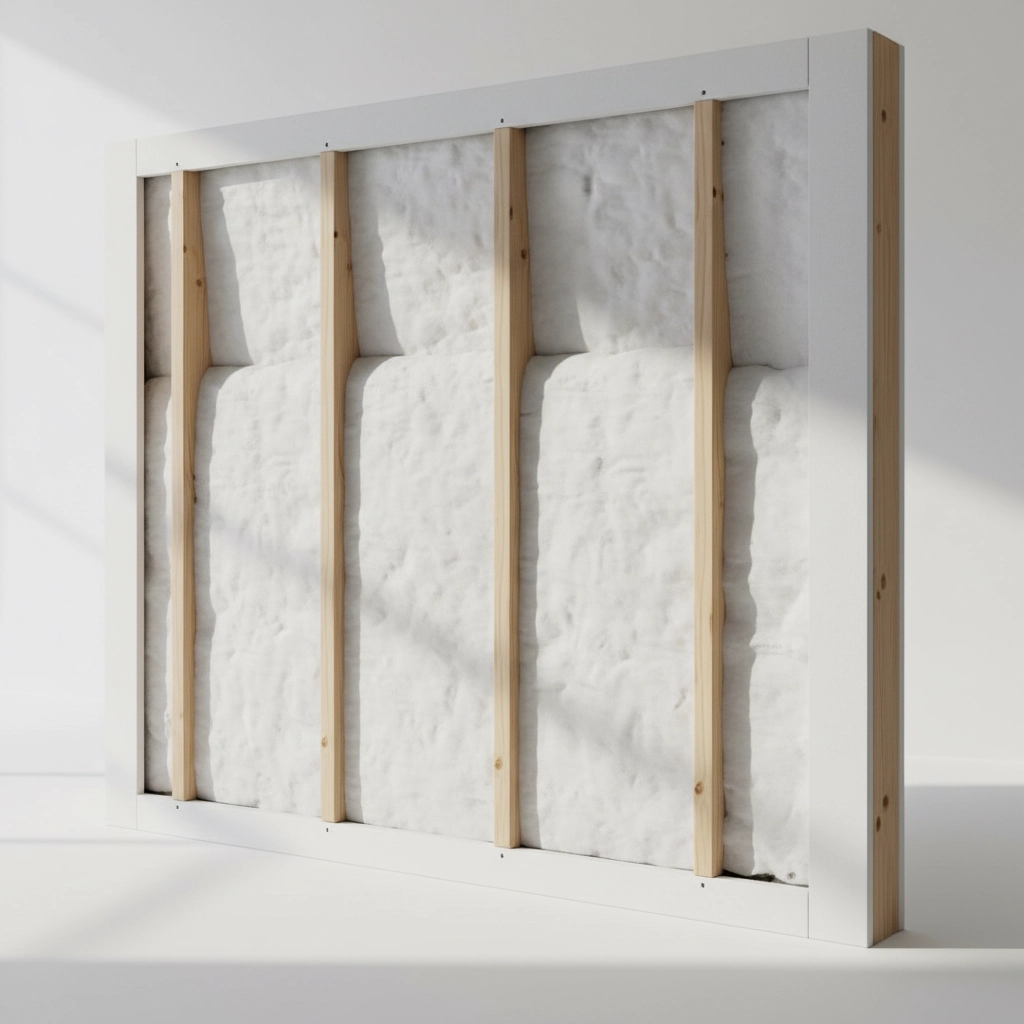
Standard Drywall Approaches: Budget-Friendly Starting Points
Double Layer Strategy
Add mass to existing walls by installing a second layer of standard drywall. This approach doubles the density and can improve STC ratings by 5-8 points. Use 5/8-inch thick drywall instead of standard 1/2-inch for additional mass. Install the second layer with joints offset from the first layer to eliminate sound pathways.
Calculate costs carefully. Double-layer installations require longer screws and additional labor, but material costs remain reasonable. Expect moderate sound reduction suitable for light noise control between bedrooms or offices.
Staggered Stud Construction
Build walls with staggered studs on separate top and bottom plates. This technique breaks the structural connection that transmits vibrations. Alternate studs support each drywall face independently, reducing sound transmission significantly.
Plan this method during new construction or major renovations. Retrofitting existing walls proves costly and complex. The technique works exceptionally well for home theaters and music rooms where maximum sound isolation matters.
Purpose-Built Soundproof Drywall: Professional Solutions
QuietRock Systems
Experience superior soundproofing with multi-layer engineered drywall. QuietRock combines gypsum with viscoelastic polymers that absorb vibrations before they transmit through walls. Achieve STC ratings of 42+ on standard wood stud assemblies without additional materials.
Install QuietRock like standard drywall using conventional tools and fasteners. The 1/2-inch and 5/8-inch options fit standard construction practices. Expect premium pricing: typically $20-40 more per sheet than standard drywall: but receive proven performance backed by laboratory testing.
PURPLE SoundBreak XP
Choose PURPLE SoundBreak XP for new construction projects requiring verified acoustic performance. This engineered drywall features sound-damping materials integrated during manufacturing. The moisture-resistant formulation prevents mold and mildew while maintaining acoustic properties.
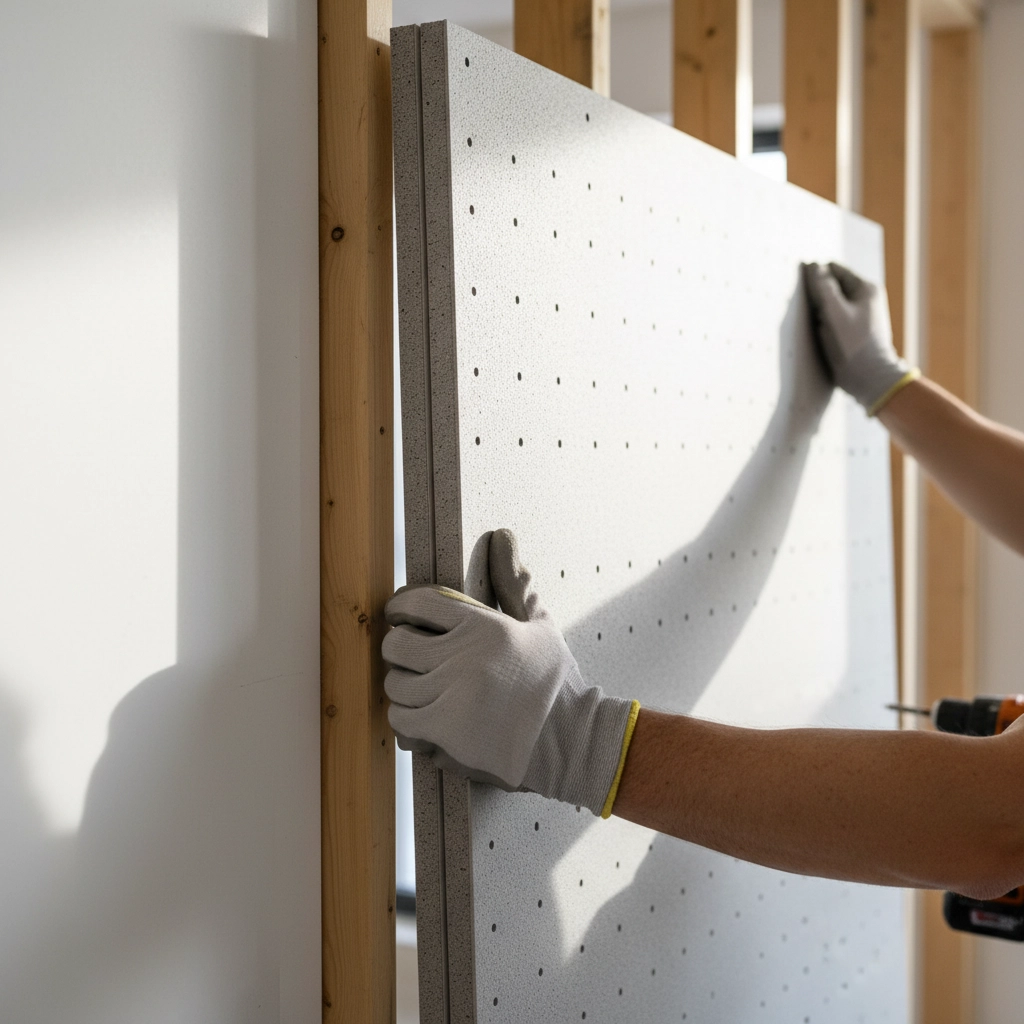
Select from multiple thicknesses including specialized retrofit versions. The 5/16-inch retrofit option allows soundproofing upgrades without demolishing existing walls. Professional contractors prefer this system for bedrooms, nurseries, and home offices where noise control matters most.
Green Glue: The Middle-Ground Champion
How Viscoelastic Damping Works
Transform standard drywall into high-performance acoustic barriers using Green Glue compound. This viscoelastic material sits between two drywall layers, converting sound energy into minimal amounts of heat. One layer vibrates while the compound dampens transmission to the second layer.
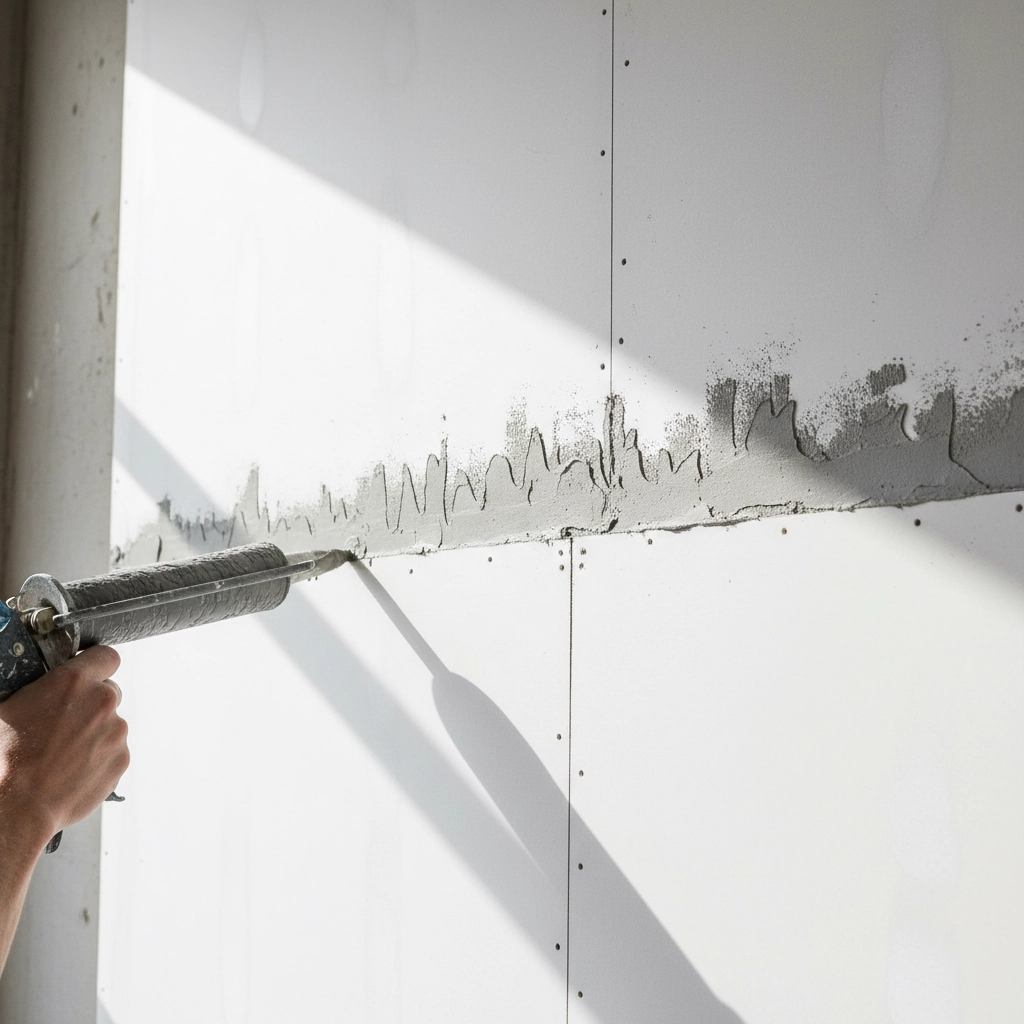
Apply Green Glue in random patterns covering 60-80% of the drywall surface. Install the second drywall layer immediately while the compound remains workable. The system cures over 30 days, reaching maximum effectiveness gradually.
Cost-Effective Performance
Achieve professional soundproofing results without specialty drywall pricing. Green Glue systems typically cost 30-50% less than premium acoustic drywall while delivering comparable performance. Many contractors consider this the sweet spot for residential soundproofing projects.
Plan for proper application techniques. Success depends on using adequate compound amounts and following manufacturer specifications exactly. Shortcuts reduce effectiveness dramatically, wasting time and materials.
Sound Isolation Systems: Maximum Performance
Resilient Channel Installation
Decouple drywall from structural members using resilient channels. These metal strips attach to studs or joists, holding drywall away from direct contact. Sound vibrations lose energy traveling through the flexible connection, reducing transmission significantly.
Install channels perpendicular to structural members at 24-inch centers maximum. Avoid bridging channels with electrical boxes or other penetrations that create sound pathways. This technique works particularly well for ceilings where footstep noise proves problematic.
Isolation Clips and Hat Channel
Maximize soundproofing with professional isolation clip systems. These specialized fasteners completely decouple drywall from structure using rubber isolators. Hat channels span between clips, creating a floating ceiling or wall system.
Expect superior performance ratings often exceeding 55 STC when properly installed. The technique requires precise installation and adds 1-2 inches to wall thickness. Professional installation ensures optimal results and prevents costly mistakes.
Choosing Your Acoustic Solution
Light Noise Control
Address minor sound issues with double-layer standard drywall. This approach suits bedrooms adjacent to living areas or home offices requiring moderate quiet. Budget approximately $1-2 per square foot for materials and labor increases.
Moderate Soundproofing Needs
Select Green Glue systems for balanced performance and cost. This solution works well for media rooms, nurseries, and spaces requiring significant noise reduction without maximum expense. Plan $3-5 per square foot for complete installation.
Maximum Performance Requirements
Choose purpose-built acoustic drywall or isolation systems for home theaters, music studios, or spaces requiring absolute quiet. These solutions deliver laboratory-verified performance but require larger budgets and professional installation expertise.
Installation Success Factors
Sealing Air Gaps
Eliminate sound leaks by sealing all penetrations, edges, and joints with acoustic caulk. Sound travels through the smallest openings, defeating expensive acoustic materials. Pay special attention to electrical outlets, light fixtures, and HVAC penetrations.
Use acoustic caulk rated for permanent flexibility. Standard caulks crack over time, reopening sound pathways. Professional contractors apply acoustic sealant behind outlet boxes and around all wall perimeter connections.
Managing Expectations
Understand that no single drywall solution eliminates all sound transmission. Low-frequency sounds like bass music and machinery vibrations require additional mass and isolation techniques. High-frequency sounds like voices and television respond well to standard acoustic drywall approaches.
Plan realistic outcomes based on your specific noise sources and construction details. Professional acoustic consultations help identify the most effective approaches for your situation and budget.
Professional vs. DIY Considerations
When to Call Professionals
Complex installations involving isolation clips, structural modifications, or home theater applications benefit from professional expertise. Perpendicular Wall and Ceiling specialists understand acoustic principles and local building codes affecting soundproofing installations.
Professional installation ensures proper techniques, appropriate materials, and warranty coverage. Mistakes in acoustic installations prove costly to correct and may provide disappointing results despite significant investment.
DIY-Friendly Options
Standard drywall approaches and Green Glue installations suit experienced DIY enthusiasts. These techniques use familiar tools and methods while delivering meaningful sound reduction. Success requires careful attention to manufacturer instructions and proper sealing techniques.
Start with smaller projects to develop skills before tackling whole-room installations. Practice applying Green Glue or installing resilient channels on closets or pantries where mistakes matter less.
Transform your noisy space into the peaceful environment you deserve. Whether choosing budget-friendly double drywall or premium acoustic systems, proper planning and installation deliver lasting sound control that enhances your daily comfort and property value.
Comments