


The Dance of the Hawk and Trowel: Elevating the Artisan Finish
- Jason Wright
- Jan 28
- 4 min read

Updated: Feb 11
Welcome to the Craft Series
Step into the world where steel meets mud, where rhythm meets precision, and where your walls transform from blank canvases into statements of elegance. This is Part 1 of our deep dive into the tools and techniques that define the Perpendicular Wall and Ceiling difference.
Forget the cookie-cutter finishes. Forget the spray-on textures that look identical in every tract home across the province. What you're about to discover is the foundation of artisan finishing: the hawk and trowel, wielded by hands that understand the language of mud.
The Tools That Define a Craftsman
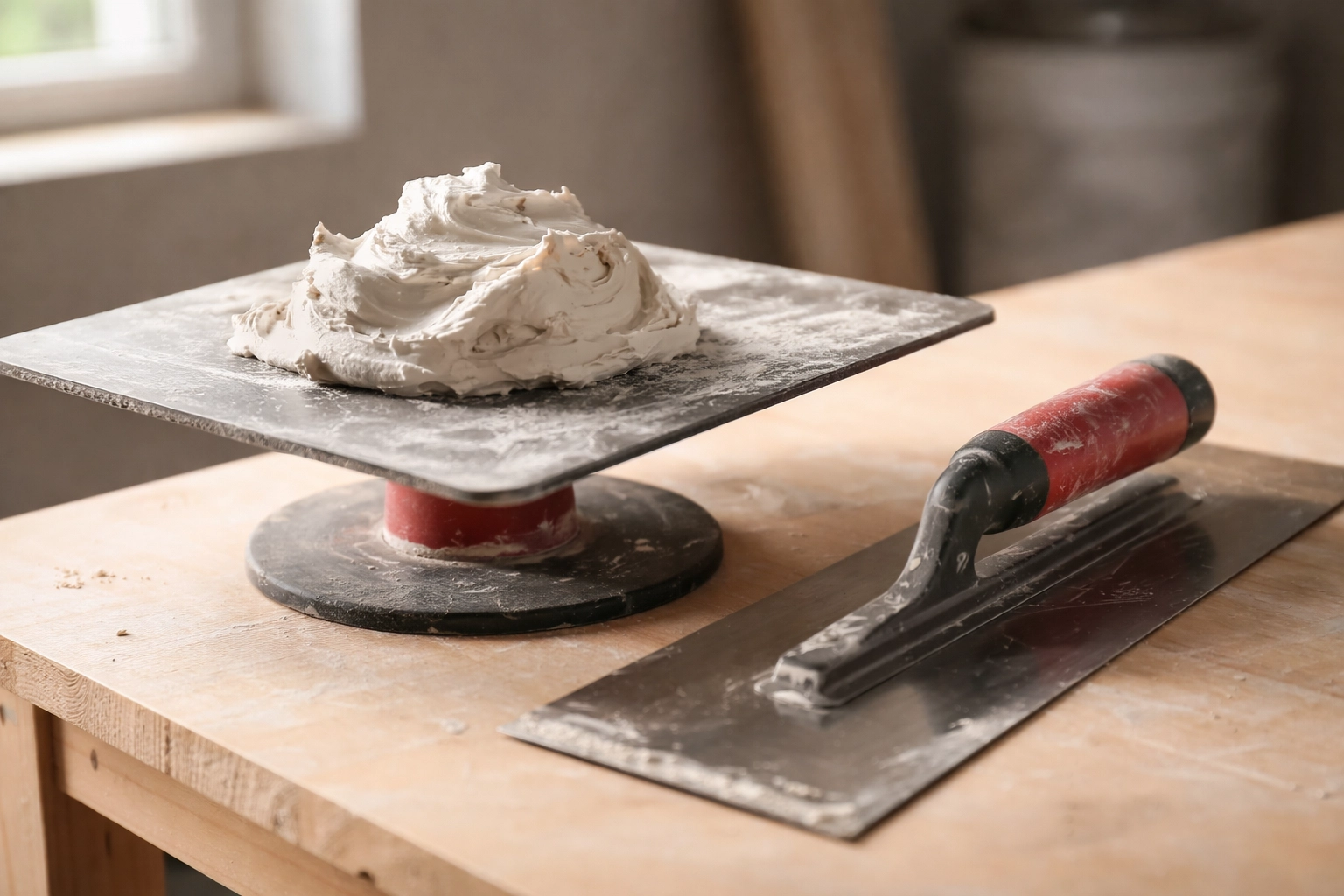
Picture this: a flat, square board balanced perfectly in one hand. Fresh joint compound sits ready, gleaming under the work lights. In the other hand, a steel trowel: worn at the edges from thousands of deliberate passes across countless walls.
These aren't just tools. They're extensions of the artisan's hands.
The hawk serves as your mobile palette. It holds the material, positions it exactly where you need it, and moves in concert with every sweep of the trowel. Master finishers understand something critical: the hawk moves more than the trowel itself. That coordination separates weekend warriors from professionals who deliver gallery-quality results.
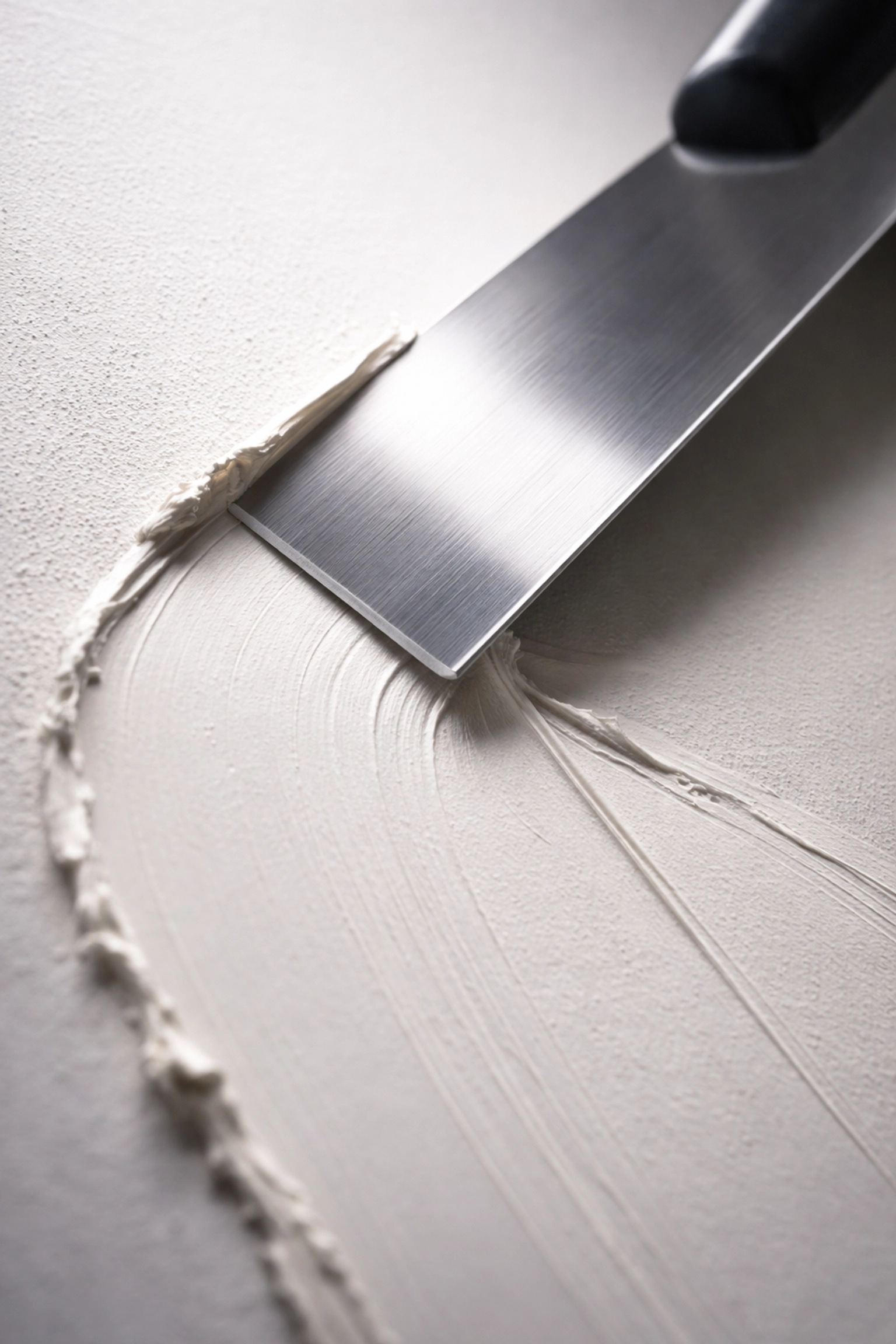
The trowel does the actual application work. Its angle, its pressure, its edge condition: every variable matters. Tilt it wrong, and you leave ridges. Press too hard, and you gouge the surface. Feather it perfectly, and you create seamless transitions that catch light like polished marble.
The Deliberate Motion: Why Rhythm Matters
Watch Jason Wright and the Perpendicular team at work, and you'll notice something immediately. There's a rhythm to their movements: a deliberate, almost meditative cadence that transforms raw drywall into architectural art.
This isn't accidental. This rhythm exists because consistency demands it.
The Four Phases of a Perfect Pass
Load the hawk. Fresh mud gets positioned on the hawk's surface, organized and ready. Messy loading leads to messy application: period.
Transfer to the trowel. A simple wipe across the hawk's surface loads the trowel with exactly the right amount of compound. Not too much. Not too little.
Apply with intention. The trowel meets the wall at a precise angle. The edge tilts slightly away from the surface, pressure applied to feather the material smoothly. One fluid motion.
Return and repeat. The hawk repositions, the trowel reloads, and the rhythm continues. Pass after pass, building texture that machines simply cannot replicate.
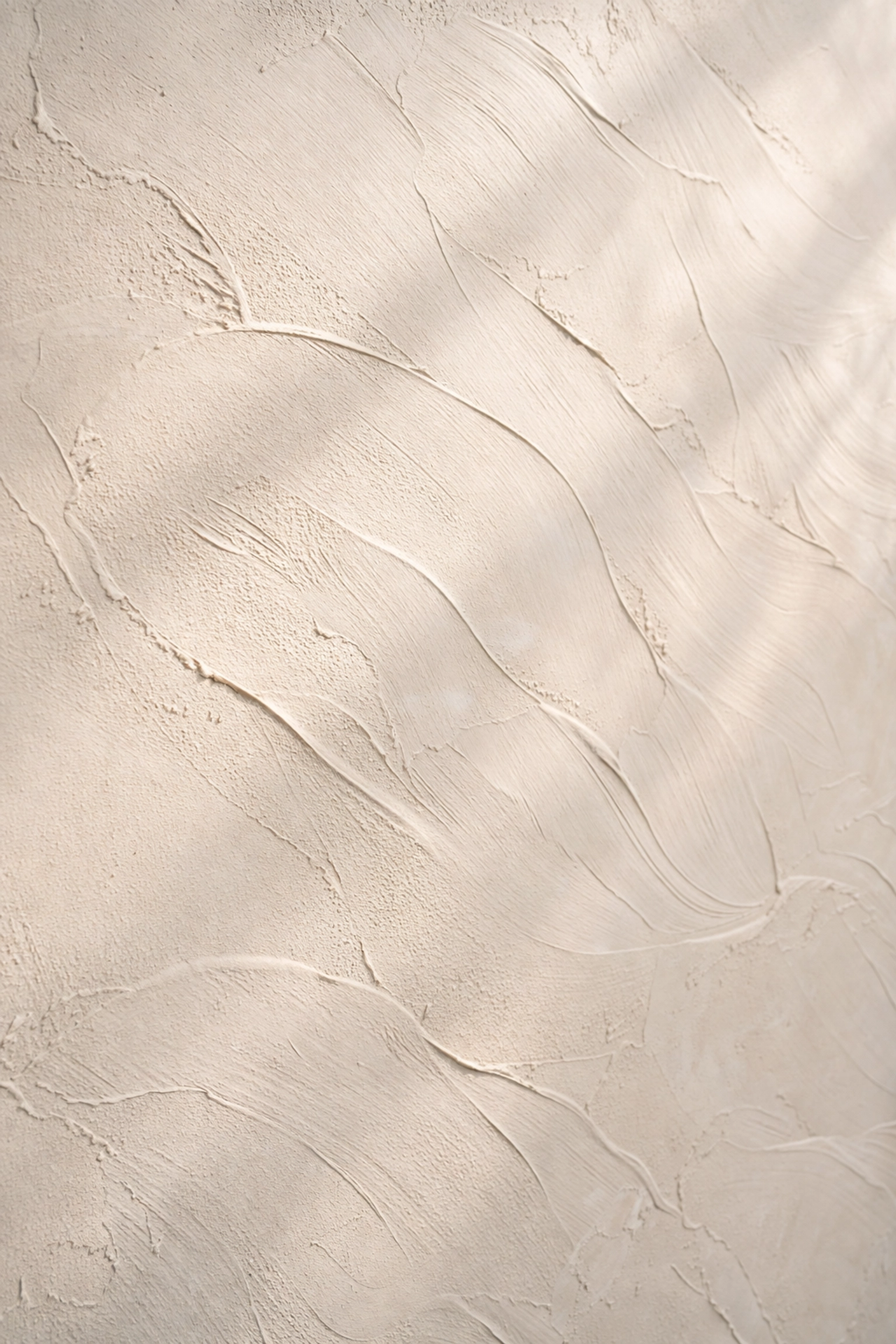
This deliberate motion creates something special: a finish with depth, with character, with the subtle variations that tell your eye "this was made by human hands."
Why Traditional Tools Outperform Modern Shortcuts
Here's what the big production crews won't tell you: spray textures and automated systems exist to save time, not to deliver quality.
When you're finishing a basement suite renovation or transforming a home office installation, you need walls that perform. Walls that hide imperfections. Walls that create the right atmosphere for the space's intended purpose.
The hawk and trowel deliver what shortcuts cannot:
Adaptive pressure control. Every wall has variations: humps, dips, seams, corners. Hand-applied finishes adapt in real-time. The artisan feels the surface and responds accordingly. Machines don't feel anything.
Custom texture density. Want a heavier knockdown in the entertainment area and a lighter hand-troweled finish in the bedroom? Traditional tools make that possible without changing equipment or setup.
Seamless blending. When repairs meet original surfaces, blending becomes critical. The hawk and trowel allow micro-adjustments that create invisible transitions. Spray equipment leaves tell-tale edges.
Zero overspray. Your trim stays clean. Your floors stay protected. The compound goes exactly where it belongs: on the wall.
The Jason Wright Approach: Customer-Infused Precision
At Perpendicular Wall and Ceiling, the hawk and trowel aren't just tools: they're instruments of client collaboration.
Jason Wright built his approach around a simple philosophy: listen first, then execute with precision. When a client describes the feeling they want in their restored basement or newly designed home office, that vision translates directly into technique.
Prefer smooth, modern minimalism? The trowel angle flattens, the passes lengthen, and the finish emerges sleek and contemporary.
Want rustic warmth with visible texture? The hawk holds a stiffer mix, the trowel works in shorter strokes, and authentic character develops pass by pass.
This customer-infused technique means your space reflects your vision: not a template pulled from a builder's catalogue.
The Learning Curve Most Never Climb
Here's an honest truth: hawk and trowel mastery takes years.
Beginners struggle with hand positioning. They overload the trowel. They apply inconsistent pressure. They create edges where transitions should be seamless. The learning curve is steep, and most modern finishers simply don't climb it.
They opt for the sprayer instead. Faster training. Faster production. Acceptable results.
But "acceptable" isn't what transforms a basement suite renovation into living space that feels intentional and elevated. "Acceptable" doesn't create home office installations that inspire productivity and pride.
The Perpendicular team invested in mastering these traditional techniques because unbeatable performance demands it. Every deliberate motion, every coordinated pass between hawk and trowel: it all adds up to elegance you can see and feel.
What This Means for Your Next Project
Consider your upcoming renovation. Whether you're finishing a basement suite, restoring original plaster character, or building out a dedicated home office, the walls and ceilings set the tone for everything else.
Paint color matters. Lighting matters. Furniture placement matters. But underneath all of it? The finish quality determines whether your space feels polished or pieced together.
When you choose Perpendicular Wall and Ceiling, you're choosing:
Artisan techniques applied by hands that understand the material
Customer-first execution that translates your vision into texture
Unbeatable timing because skill doesn't require rework
Pricing that respects your budget while delivering far more than expected
Experience the difference that deliberate craftsmanship creates. Book a consultation and discover what your space could become.
Coming Next in the Craft Series
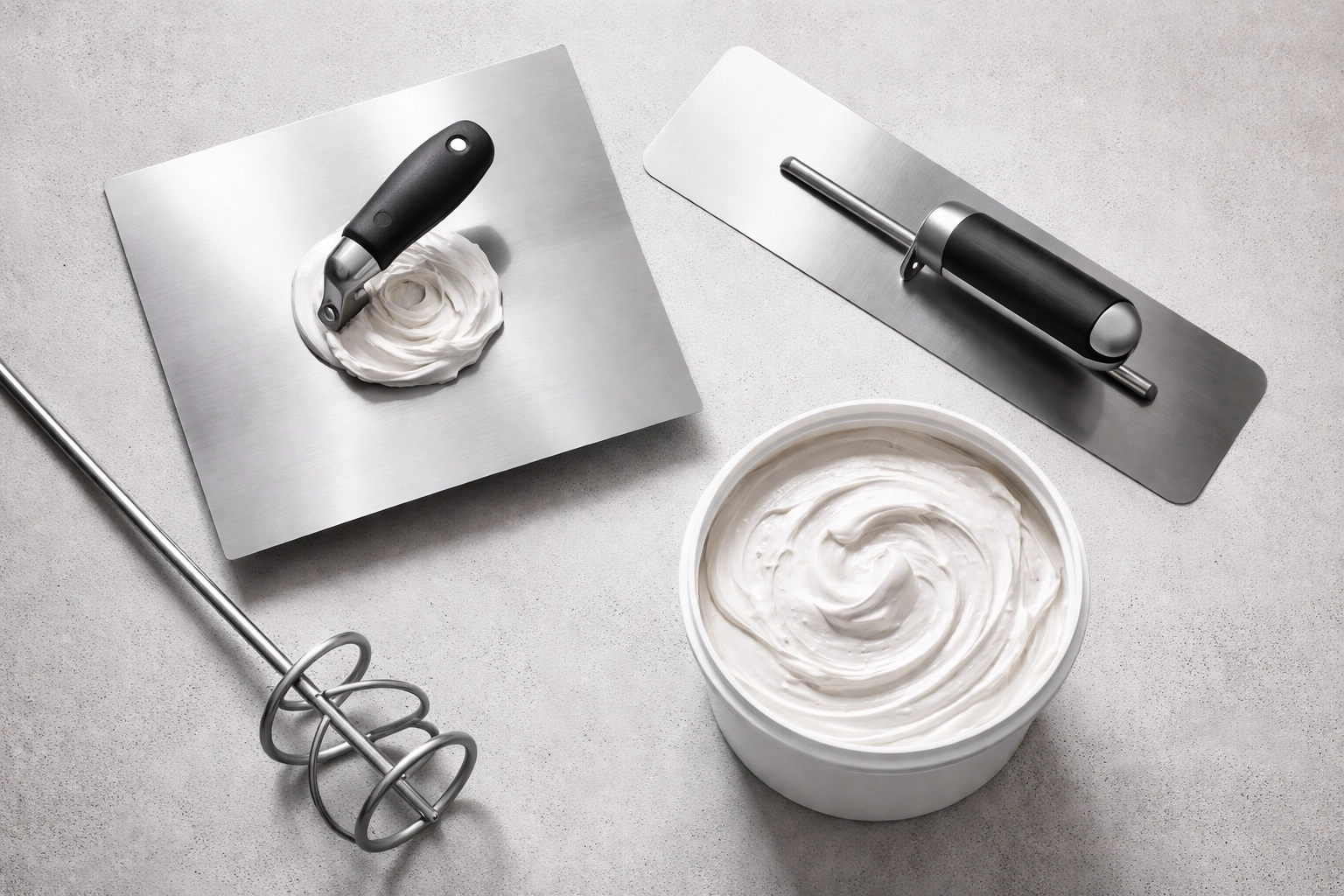
The hawk and trowel represent just the beginning. In Part 2, we'll explore The Pan and Knife: Building the Collaborative Finish: the complementary tools that prepare every seam, corner, and joint before the final texture work begins.
Together, these tools form the complete system that defines Perpendicular's approach to drywall finishing. Stay tuned, and prepare to see your walls differently.
Start Your Transformation Today
Ready to experience walls and ceilings finished by hands that understand the craft? Explore our portfolio to see hawk and trowel artistry in action, or dive into more insights on our blog.
Your perfect space is waiting. Let Jason Wright and the Perpendicular team help you define it.
Comments