


Transform Your Basement Into a Professional Home Office Space
- Jason Wright
- Jan 4
- 4 min read

Discover how basement home office conversions create dedicated workspace solutions that enhance productivity while adding significant value to your property. Experience the transformation of underutilized basement areas into functional, comfortable work environments that rival traditional office spaces.
Start Planning Your Basement Office Conversion
Transform unused basement space into a productive home office by addressing fundamental structural requirements first. Assess ceiling height, natural light availability, and moisture control systems before beginning your conversion project. Most basement offices require minimum seven-foot ceiling clearance for comfortable working conditions.
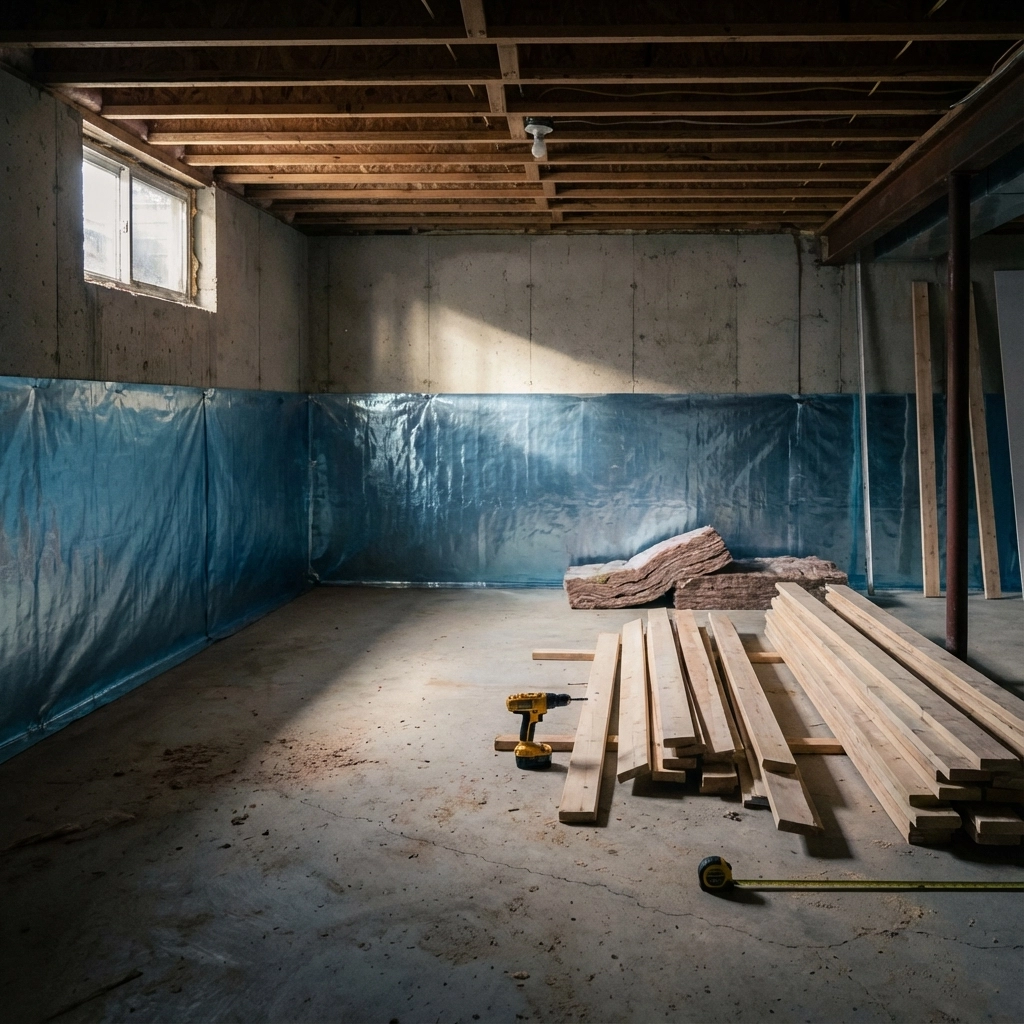
Evaluate existing electrical systems and plan additional outlets for computer equipment, lighting fixtures, and office accessories. Install proper ventilation systems to maintain air quality and temperature control throughout the work area. Consider adding emergency egress windows if your basement office will serve as a primary workspace.
Create detailed floor plans that maximize available square footage while incorporating essential office functions. Designate specific zones for desk areas, storage solutions, and meeting spaces when room dimensions allow for multiple work areas.
Address Moisture Control and Insulation Requirements
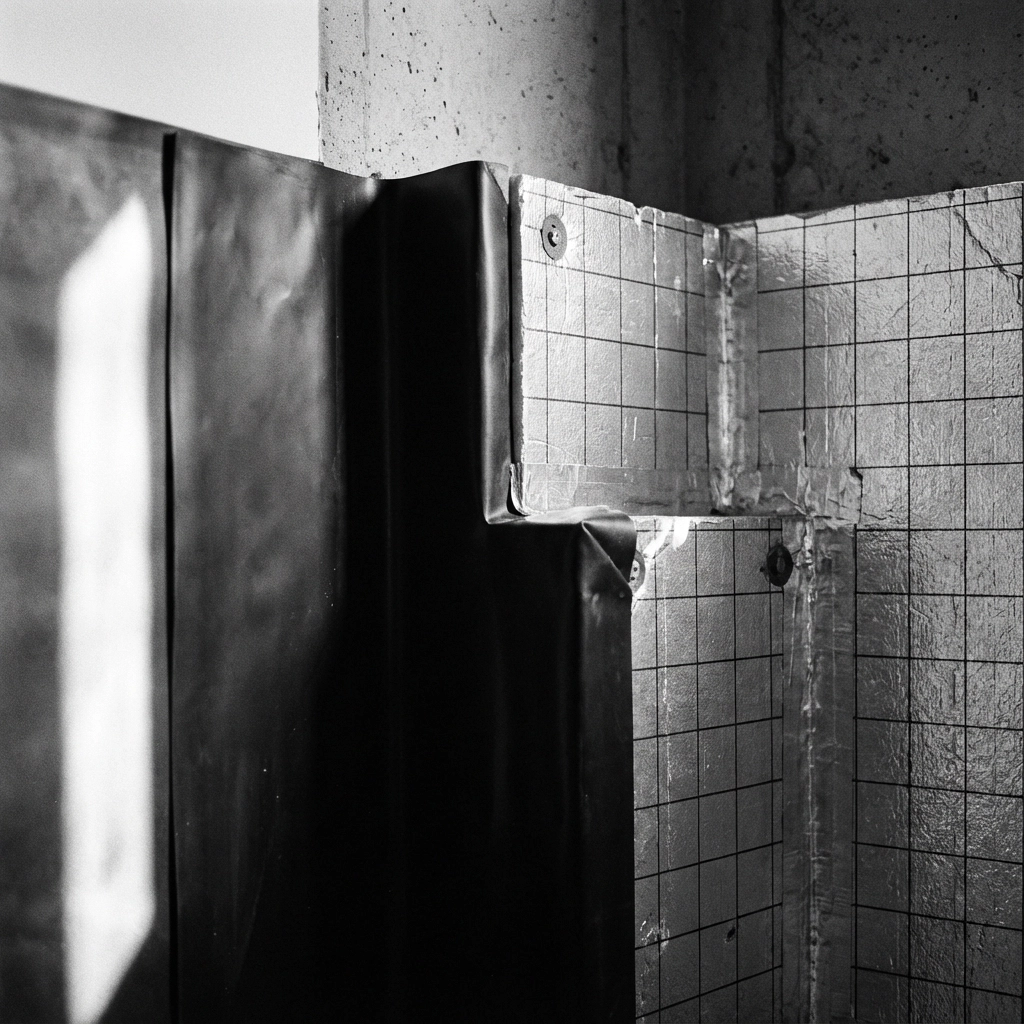
Eliminate moisture issues before installing finished surfaces in your basement office space. Apply waterproof membrane systems to exterior foundation walls and install proper drainage solutions around the perimeter. Test humidity levels regularly and maintain consistent moisture control through dehumidification systems.
Install high-quality insulation materials between wall studs to create comfortable temperature zones and reduce energy costs. Choose insulation products specifically designed for basement environments that resist moisture absorption and maintain thermal efficiency over time.
Add vapor barriers behind finished wall surfaces to prevent condensation buildup that damages drywall and creates uncomfortable working conditions. Ensure proper air circulation throughout the basement office area by installing adequate ventilation systems.
Select Appropriate Flooring Solutions
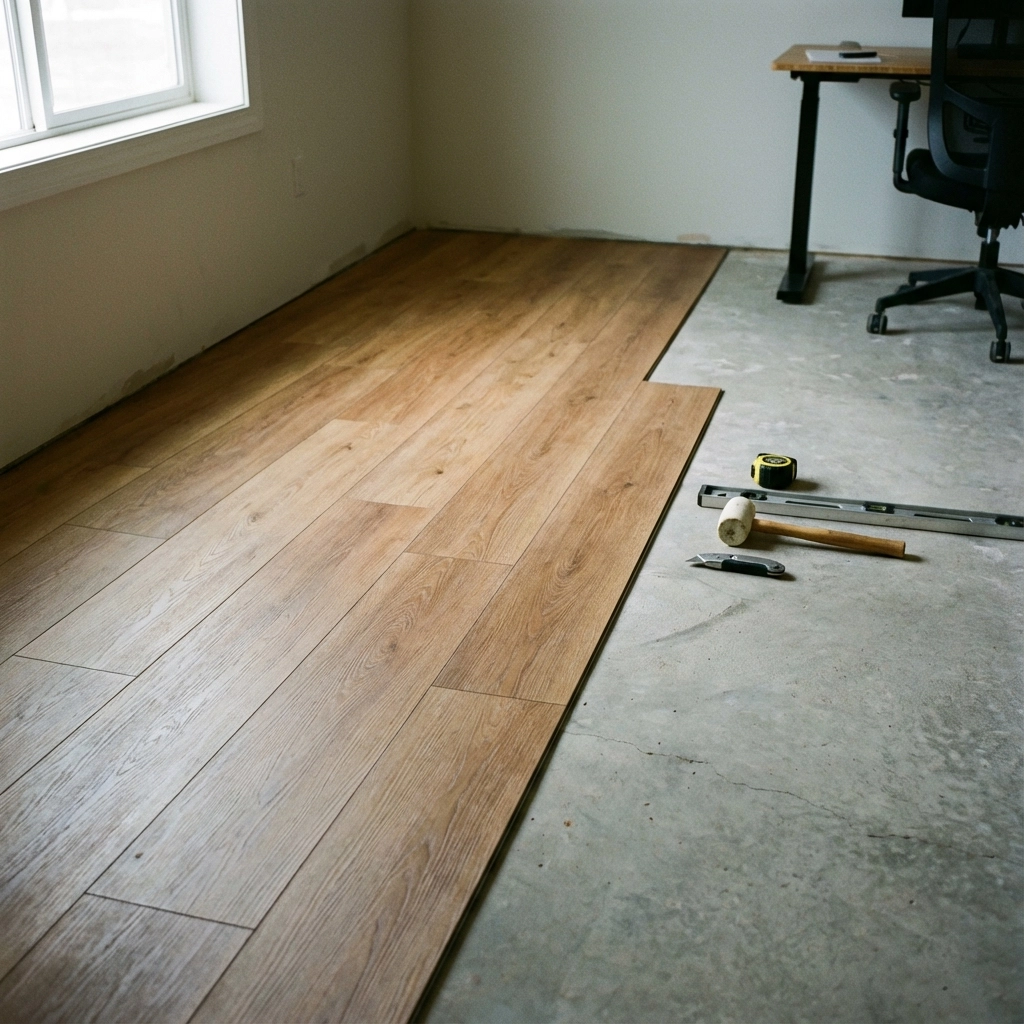
Choose flooring materials that withstand basement environmental conditions while providing comfort for extended work periods. Install moisture-resistant subflooring systems that create thermal barriers between concrete slabs and finished floor surfaces.
Consider luxury vinyl plank flooring that offers warmth, durability, and easy maintenance for basement office environments. Carpet tiles provide comfort and sound absorption while allowing easy replacement of damaged sections when necessary.
Engineered hardwood flooring creates professional aesthetics but requires careful moisture control and proper subflooring installation. Avoid traditional hardwood materials that expand and contract with basement humidity fluctuations.
Design Efficient Lighting Systems
Maximize natural light sources by installing larger window wells or adding new basement windows where structurally feasible. Clean and enlarge existing windows to improve light transmission and create connection with outdoor environments.
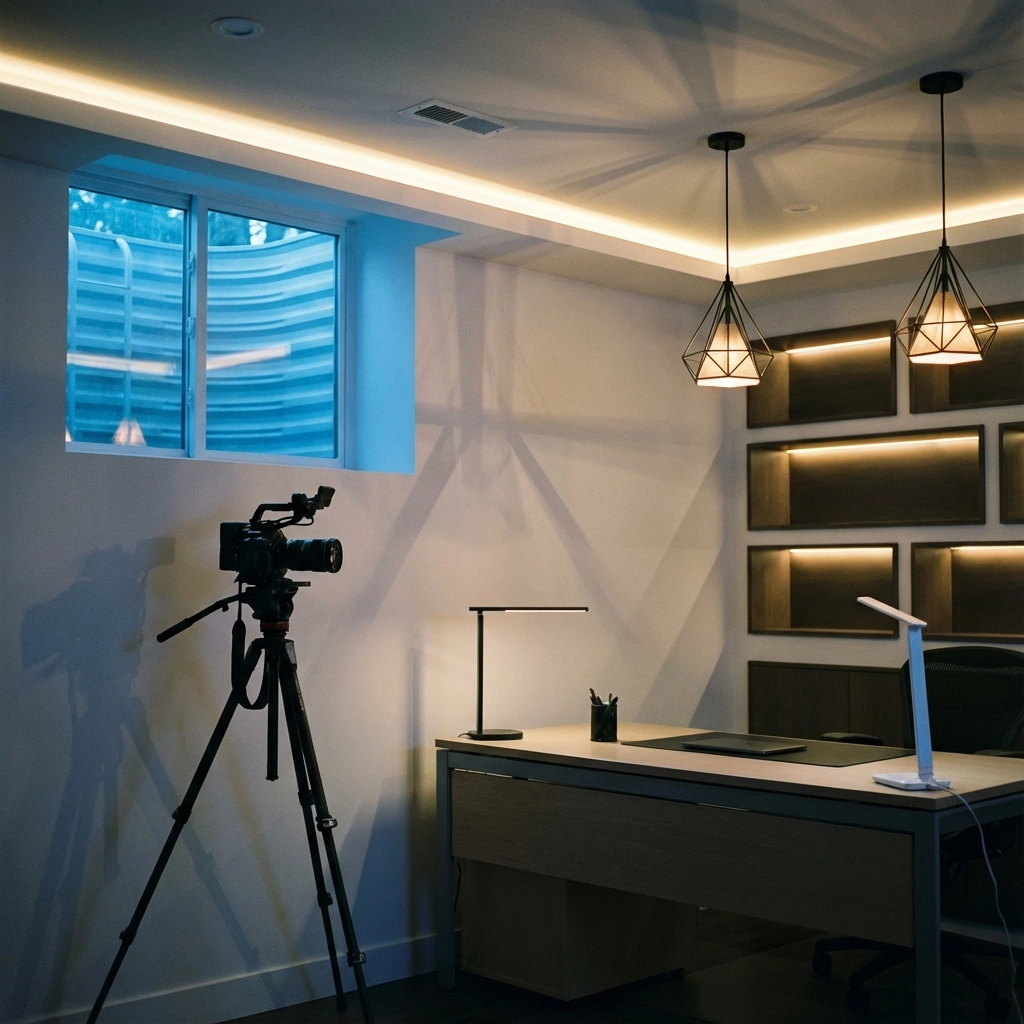
Install layered artificial lighting that combines overhead fixtures, task lighting, and ambient illumination. Use LED technology for energy efficiency and consistent light quality throughout extended work periods.
Position desk areas near natural light sources when possible and supplement with adjustable task lighting for computer work and reading activities. Add accent lighting to create visual interest and reduce eye strain in windowless basement areas.
Create Professional Wall Finishes
Install drywall systems that resist moisture while providing smooth, paintable surfaces for professional office environments. Use mold-resistant drywall products specifically formulated for below-grade applications.
Apply primer and paint designed for basement conditions that resist humidity and temperature fluctuations. Choose light colors that reflect available light and create spacious feeling in potentially confined areas.
Consider accent walls using wood paneling, stone veneer, or textured finishes that add character without overwhelming smaller spaces. Install chair rail molding and baseboards that elevate the aesthetic quality of basement office areas.
Install Proper HVAC Systems
Extend existing heating and cooling systems to basement office areas or install independent climate control units for consistent comfort. Ensure adequate air circulation prevents stuffiness and maintains healthy indoor air quality.
Add ceiling fans to improve air movement and reduce reliance on mechanical cooling systems during warmer months. Install programmable thermostats that maintain consistent temperatures during working hours while conserving energy during off-peak times.
Consider mini-split systems for efficient heating and cooling that operate independently from main house HVAC systems. These units provide precise temperature control while minimizing installation complexity in finished basement spaces.
Plan Storage and Organization Solutions
Design built-in storage systems that maximize vertical space and maintain organized work environments. Install floor-to-ceiling shelving units that accommodate books, office supplies, and equipment storage needs.
Create closed storage areas using cabinets or closet systems that conceal clutter while maintaining professional office aesthetics. Add filing systems for document organization and secure storage of important business materials.
Include flexible storage solutions like modular shelving that adapts to changing office needs over time. Consider under-stair storage areas that utilize otherwise wasted space for office equipment and supplies.
Establish Proper Electrical Infrastructure
Upgrade electrical panels to handle increased power demands from office equipment, lighting systems, and climate control units. Install dedicated circuits for computer equipment that prevent power fluctuations and equipment damage.
Add USB outlets and charging stations that accommodate modern device requirements without creating cord clutter on work surfaces. Include surge protection systems that safeguard valuable office equipment from power fluctuations.
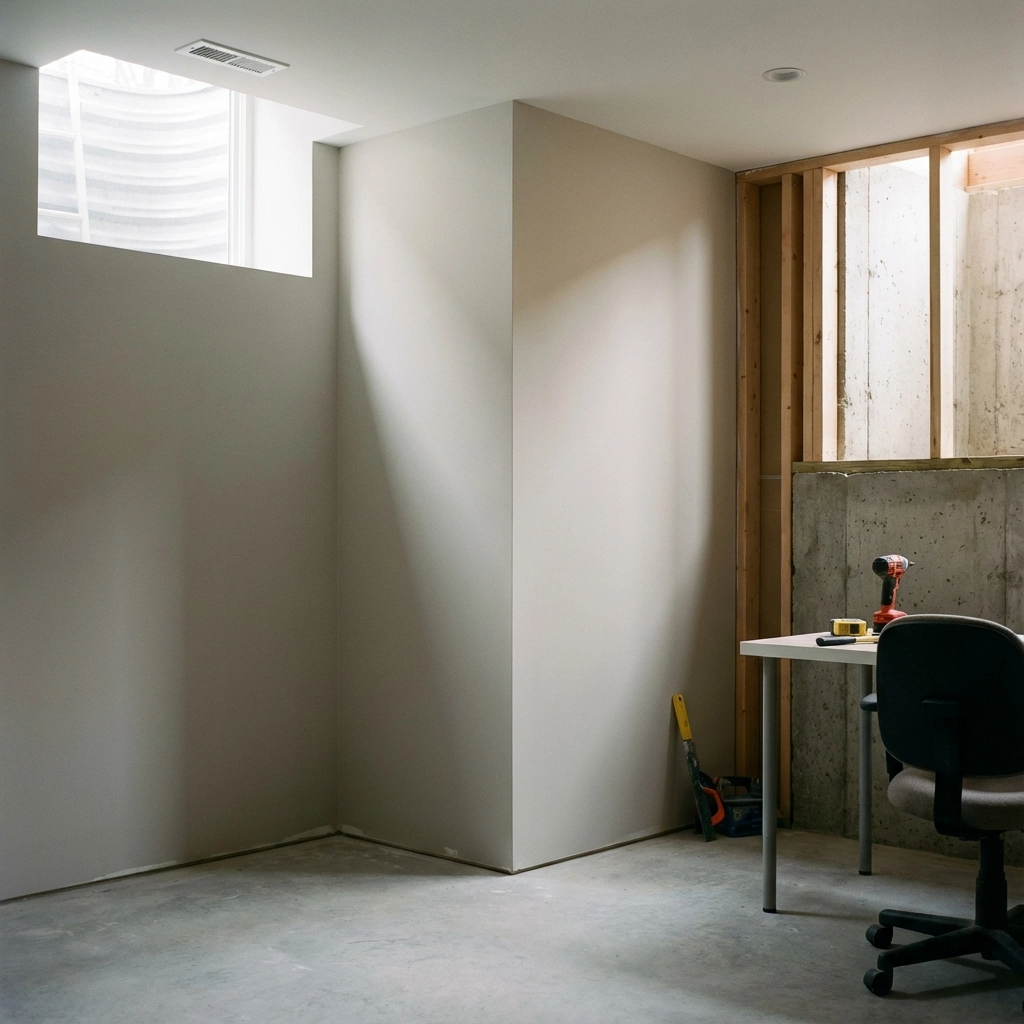
Position outlets strategically throughout the office area to eliminate extension cord usage and maintain clean, professional appearance. Install separate circuits for high-draw equipment like space heaters or large printers.
Ensure Sound Management
Install sound insulation between ceiling joists to reduce noise transmission between basement office and main living areas. Use acoustic panels or sound-absorbing materials on walls to minimize echo and improve audio quality for video calls.
Add carpeting or rugs that absorb sound and reduce footstep noise on hard flooring surfaces. Consider white noise systems or sound masking technology that creates consistent background noise for concentration.
Install solid doors with proper weatherstripping that provide sound barriers when privacy or quiet working conditions are necessary. Choose door hardware that operates quietly and maintains professional appearance.
Add Professional Finishing Touches
Install crown molding, baseboards, and trim work that creates polished, finished appearance matching upper level home aesthetics. Choose hardware finishes that complement overall design theme and maintain consistency throughout the space.
Add window treatments that provide privacy control and light management while enhancing professional office appearance. Consider blinds or shutters that offer precise light control for computer screen visibility.
Include personal touches like artwork, plants, or decorative elements that create welcoming workspace atmosphere while maintaining professional functionality. Choose elements that withstand basement environmental conditions without requiring excessive maintenance.
Transform your basement into a professional home office that enhances productivity while adding significant property value. Professional basement conversions require expertise in moisture control, electrical systems, and building codes to ensure safe, comfortable work environments.
Perpendicular Wall and Ceiling www.perpendicularwallandceiling.ca 604-991-5448
Comments